
/
Book Review: “Invitation to a Banquet” by Fuchsia Dunlop
There’s something uniquely special about sharing a meal with family and friends – it’s a timeless way to connect. This has always been true for me. My love for cooking began in my mother’s kitchen. During village festivals in Hong Kong, my aunt and the elderly women would prepare generous, hearty bowls of classic dishes, elevating the act of cooking into a true art form.
Travels across China’s diverse provinces have allowed me to explore the rich variety of Cantonese and Sichuan cuisines, and I’ve come to deeply appreciate not just the food itself, but the joy it brings. As someone passionate about food, I find myself drawn to cooking shows, and I’ve lost count of the Post-its marking my favourite passages in books by authors like Ken Hom, Roy Choi, and, of course, Fuchsia Dunlop.
Fuchsia Dunlop, a multiple James Beard Award winner, has once again contributed to the world of food writing with Invitation to a Banquet: The Story of Chinese Food. In this book, she takes readers on a captivating journey through China, weaving together the history, culture, and flavours that define Chinese cuisine. Her vivid writing style, personal experiences and deep curiosity about food culture is a great read.
Smooth as Seaweed
What sets Dunlop’s work apart is her evocative language, which brings the textures and flavours of the dishes almost to life. For her, Chinese broccoli is “as glossy and smooth as seaweed floating in a calm ocean,” while she describes traditional noodle makers working rhythmically with their dough, almost like poetry. Her sensory metaphors invite readers to imagine the food vividly. She even includes a list of Chinese culinary terms for mouthfeel and cooking techniques, further enriching her detailed exploration.
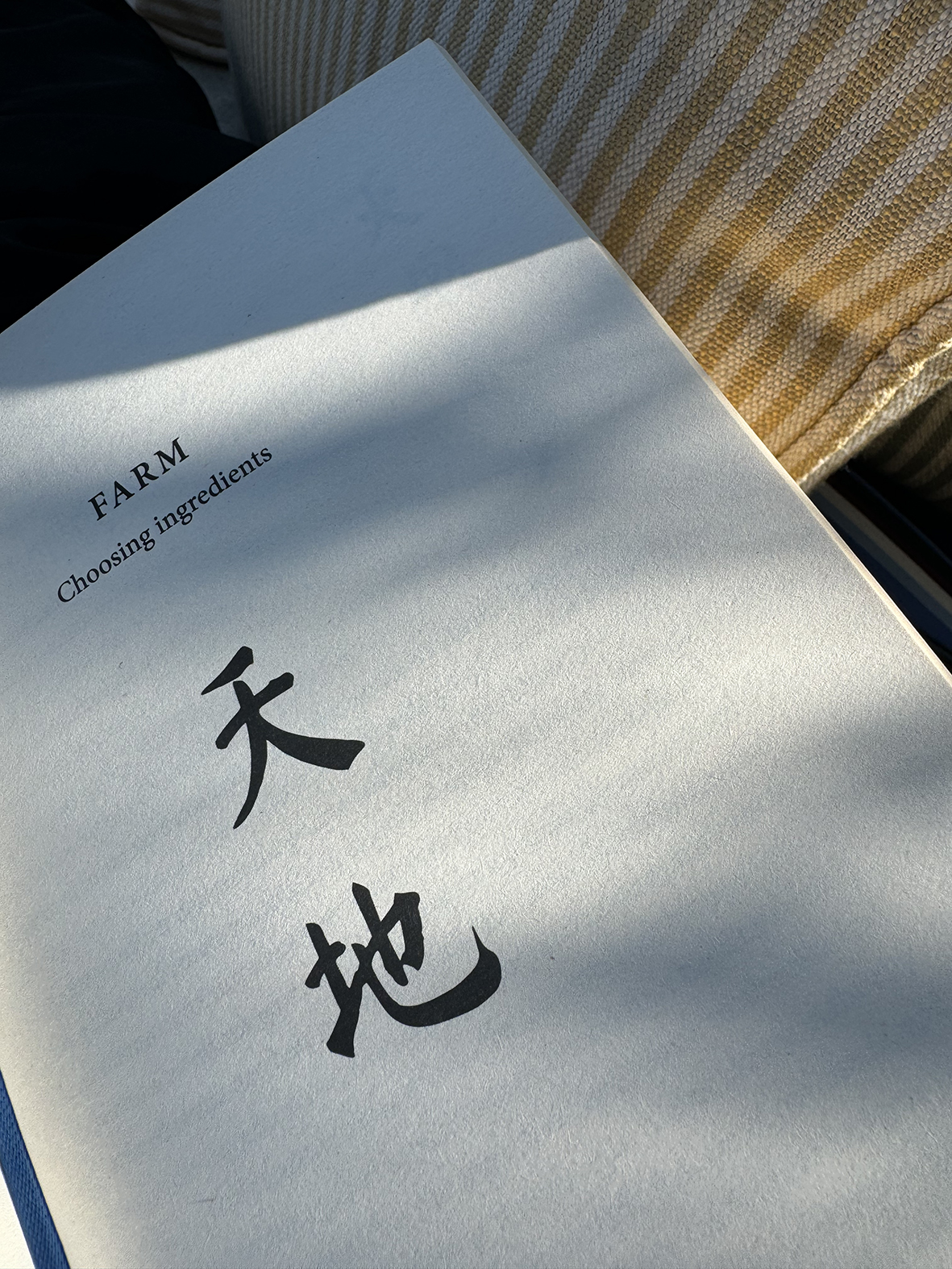
The book is structured in four parts: Hearth, Farm, Kitchen, and Table. Each section offers a fresh perspective on the age-old traditions of Chinese cooking, from its origins and history to the techniques and philosophies that shape food preparation. Dunlop introduces key dishes from various provinces, such as Mapo tofu and dumplings, placing them within a broader historical and cultural context.
Cultural Insights
Alongside her sensory descriptions, Dunlop offers fascinating insights into Chinese cuisine from both a philosophical and cultural standpoint. She explores how Western perspectives often offer a limited view of this diverse cuisine and encourages readers to challenge their own assumptions. Her analysis of how perceptions have shaped the appreciation of Chinese food adds another layer of depth. She also examines how Chinese restaurants in Europe, the US, and the UK initially adapted to local tastes before becoming more authentic in their offerings. This trend can also be seen in the Netherlands, where Chinese-Indonesian restaurants have now been recognised as intangible heritage.
Although the book occasionally feels a bit dense with historical context, a deeper exploration of the economic and political factors that influence people’s willingness to pay for quality food could have added more insight.
A Vision for a Future-Proof Cuisine
Dunlop’s philosophy on food is rooted in sustainability and the mindful use of ingredients. Her curiosity, respect, and courage resonate on every page, giving us a compelling overview of the complexities of Chinese cooking. While Invitation to a Banquet isn’t a cookbook, it’s certainly inspiring for anyone keen to experiment in the kitchen and approach Chinese cuisine with fresh eyes. Dunlop invites readers to develop a deeper understanding of culinary traditions, with ample room for critical reflection.
However, the book feels somewhat incomplete – its chronological narrative stops at 2019, despite being published in 2023. The pandemic is briefly mentioned, which may have been a deliberate choice. One of Dunlop’s most brilliant accomplishments is questioning why French cuisine is often hailed as the “best,” while Chinese cuisine, with its focus on technique and diversity, remains undervalued. The art of transforming ingredients into new textures and surprising flavours deserves much more global recognition.
Invitation to a Banquet is a beautifully written exploration of an ancient and diverse food culture. For those wanting to delve deeper into Chinese cuisine, it offers a wealth of insights. Dunlop’s work is both informative and engaging, making it a fascinating read for anyone curious about the history and meaning behind what we eat. I’d love to see her next book include recipes or modern interpretations of the dishes she describes—bringing these flavours into our own kitchens.
Fuchsia Dunlop
Invitation to a Banquet: The Story of Chinese Food (Written in English)
ISBN 978-0-2415-1698-0
Also published in Dutch for ChinaNU+ magazine, 2024
Pictures by the author, also courtesy of Penguin Books