
/
Three Dates with Tiffany & Co.
In China, love has more than one date on the calendar. Three, in fact.
There is 14 February, the Western Valentine’s Day. Then comes 20 May, known as 520 Day, a contemporary celebration born from a linguistic play on numbers: 5-2-0 sounds similar to wǒ ài nǐ, ‘I love you’ in Mandarin. In Cantonese, the language I speak,, it is ngo oi nei — 我愛你.
And then there is the oldest of the three: Qixi, 七夕. Celebrated on the seventh day of the seventh month of the Chinese lunar calendar, the festival has its roots in the ancient story of Niulang, the cowherd, and Zhinü, the weaver girl. Separated by the Milky Way, the lovers are allowed to meet just once a year, when a flock of magpies forms a bridge across the stars. This year, Qixi falls on 19 August.
Tiffany & Co. in Chengdu
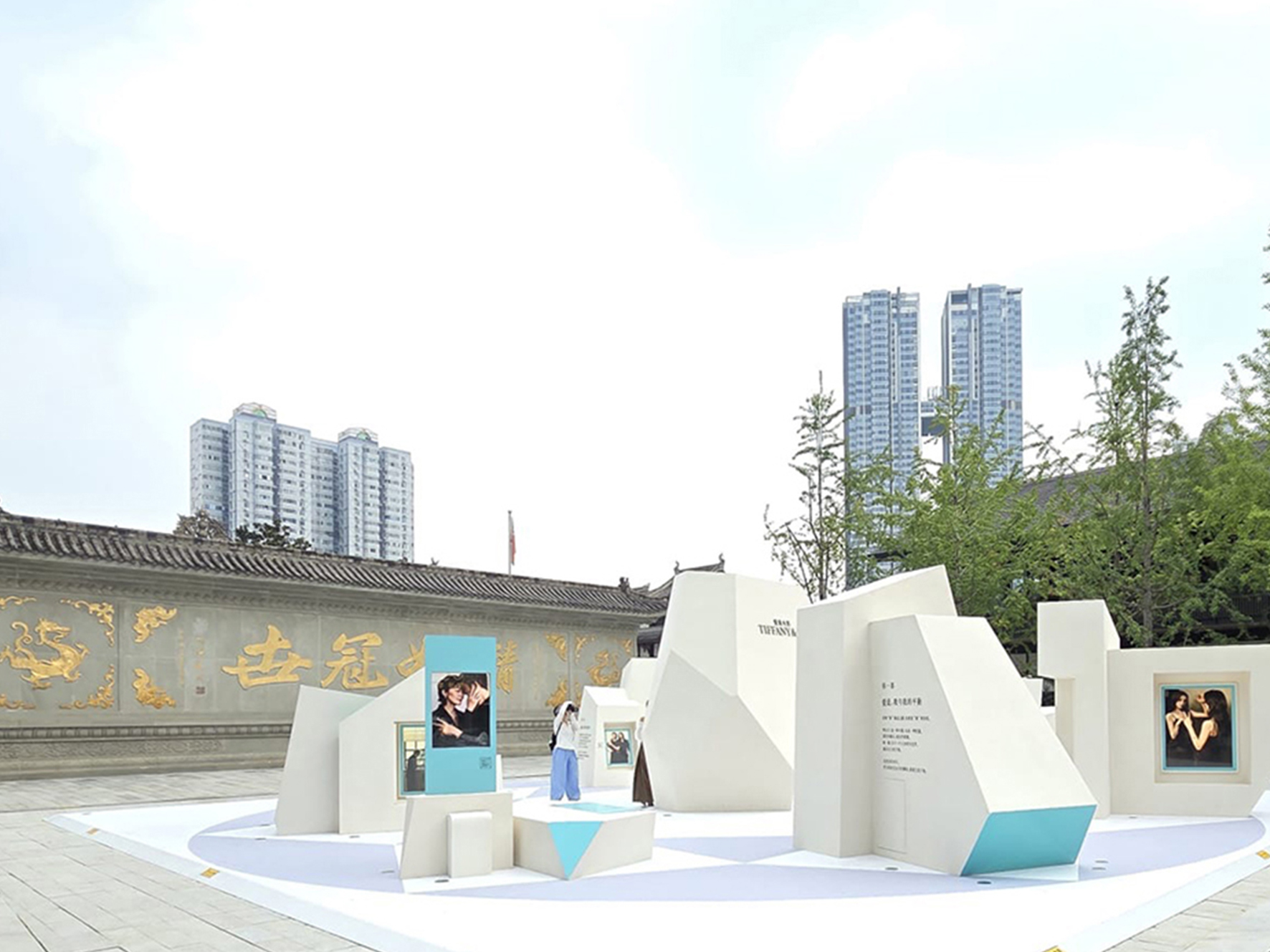
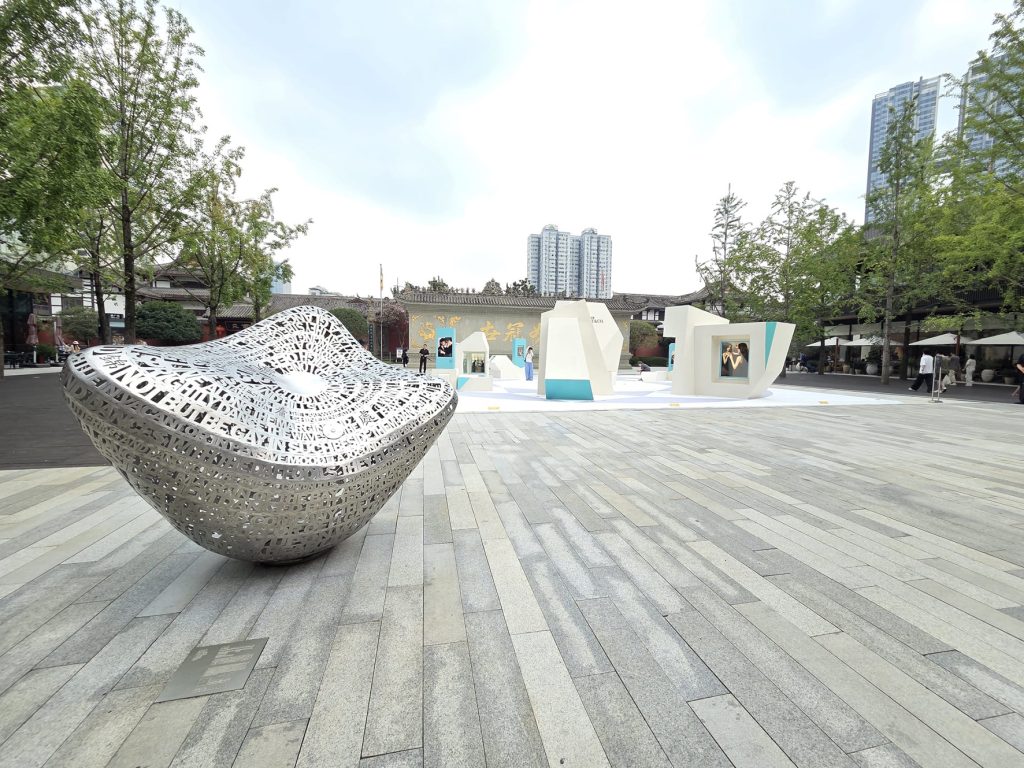
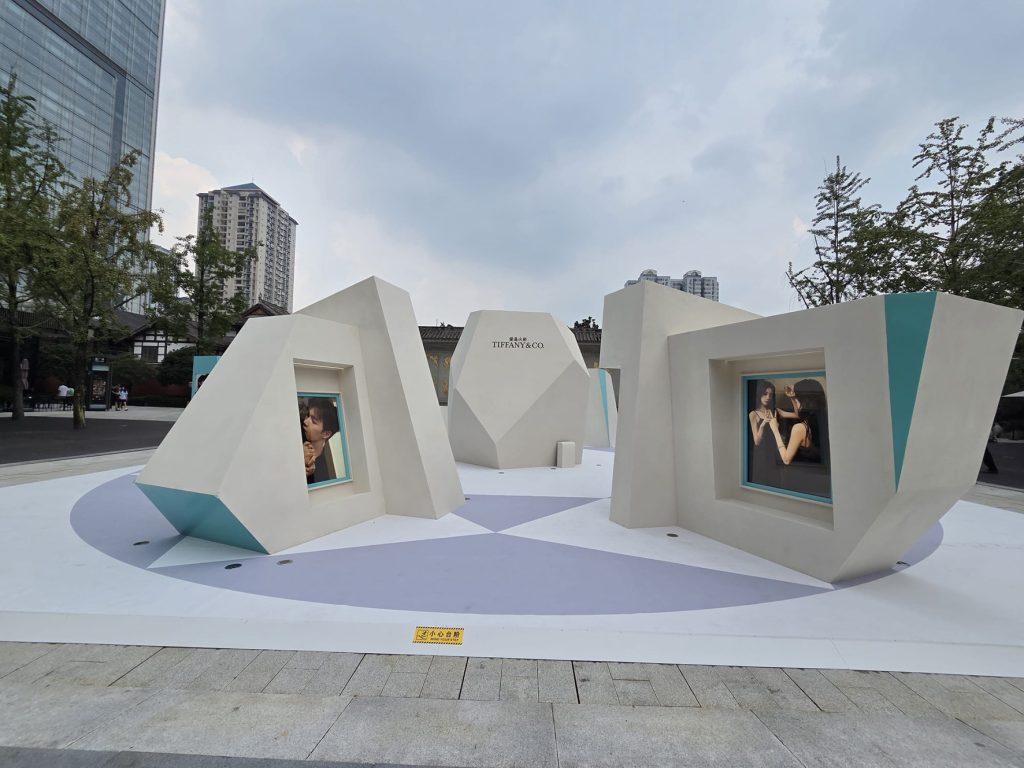
Love, of course, has long been part of Tiffany & Co.’s vocabulary. Founded in New York in 1837, the jewellery house has spent almost two centuries turning declarations of affection into objects: diamonds, engagement rings and that unmistakable Tiffany Blue Box. Breakfast at Tiffany’s, starring Audrey Hepburn, later cemented the house’s place in popular culture. This year, Tiffany & Co. marks Qixi in Chengdu.
I love you. Wǒ ài nǐ. Ngo oi nei.
Photographs by Lan Huynh, courtesy of Tiffany & Co.