

/
Berlin and Bauhaus
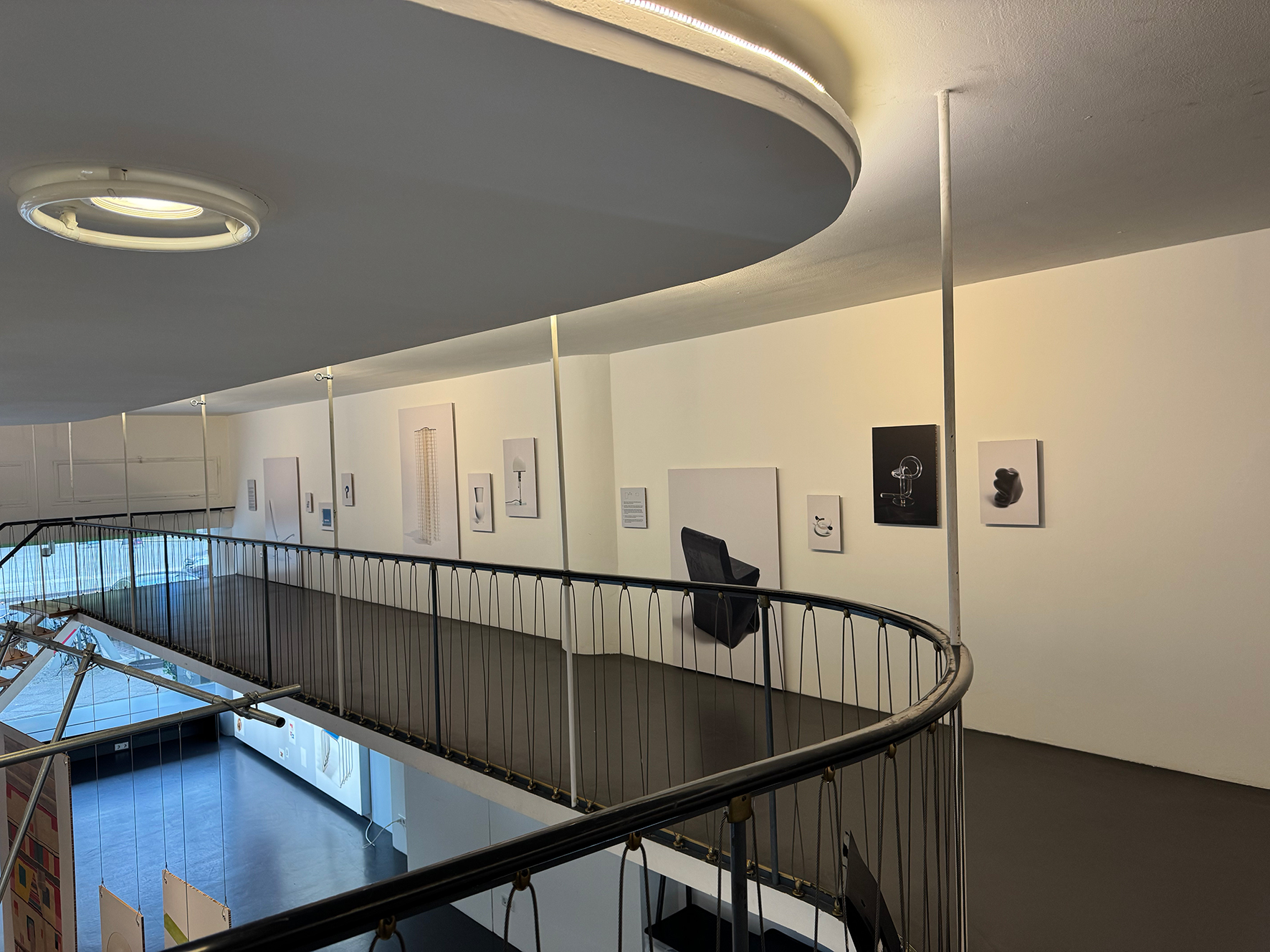
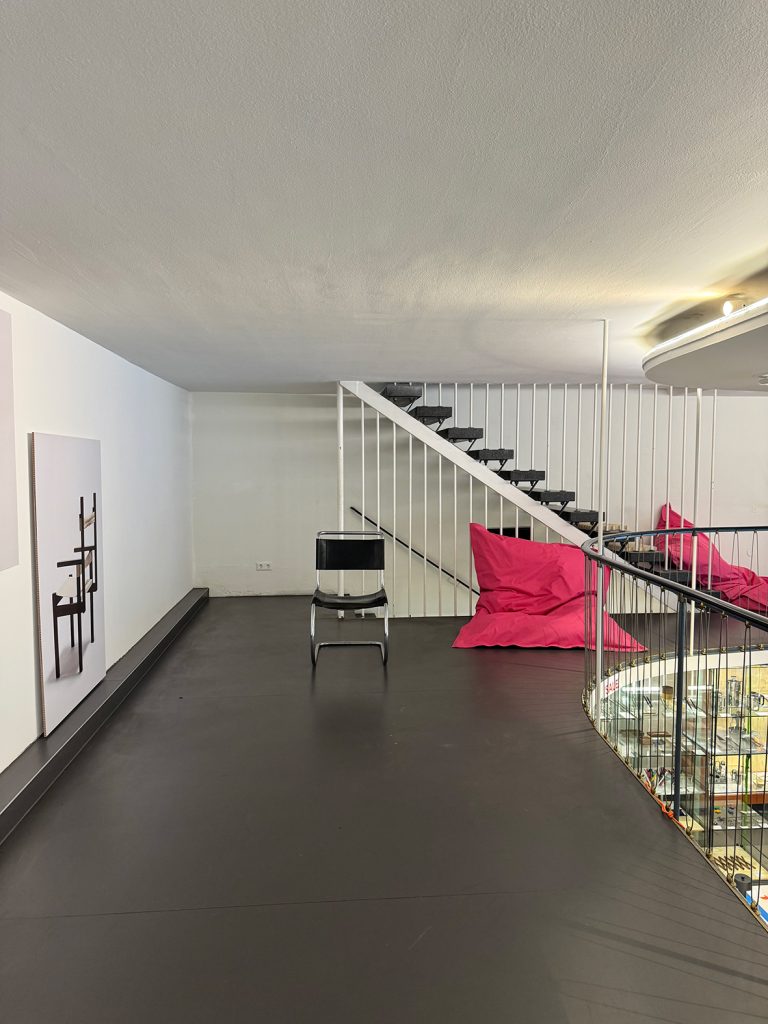
On the corner of Knesebeckstraße, Haus Hardenberg is a striking example of West Berlin’s post-war modernism. Designed by Paul Schwebes in 1955–56, the building has a sweeping glass façade and curved mezzanine. It was once home to Kiepert, one of the city’s best-known academic bookshops. Today, it houses the temporary bauhaus-archiv, part of the Bauhaus-Archiv / Museum für Gestaltung.
The archive’s story begins in Darmstadt. In 1960, art historian Hans Maria Wingler founded the archive, and Walter Gropius even designed a museum for the city. However, the plans could not be realised there. West Berlin offered the necessary land and financial support. In 1971, the archive moved to Berlin, followed by the opening of the museum on Klingelhöferstraße in 1979. Today, the Gropius-designed building is undergoing a major renovation and expansion by Staab Architekten. The plans include a striking 20-metre-high glass tower, with the museum expected to reopen in winter 2027/28. Meanwhile, the temporary venue hosts changing exhibitions and workshops.
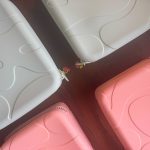
Up on the mezzanine, One Million Objects presents photographs by Florian de Brün, who is documenting the archive’s vast collection. Each object or artwork is photographed against a neutral background, beautifully lit, with every detail visible, including scratches and traces of use. The photographs are displayed on what looks like ordinary cardboard, without elaborate settings or distractions. The object becomes the main character, whether it’s a vacuum cleaner by an unknown designer or a work by Marianne Brandt, Walter Gropius or László Moholy-Nagy. Famous names and anonymous makers receive the same attention. It raises interesting questions: who gets remembered in design history? And how progressive was it for women?
The Bauhaus began as a school in Weimar in 1919, founded by Walter Gropius with progressive ideas about art, craft and design. For women, however, the reality was more complicated. Many female students were steered towards weaving rather than architecture or metalwork. Under Gunta Stölzl’s leadership, the weaving workshop became one of the school’s most commercially successful departments. Marianne Brandt designed the geometric MT49 teapot and iconic lighting, while Alma Siedhoff-Buscher developed her ingenious Bauspiel children’s toys. Lucia Moholy’s photographs helped define the school’s visual identity, although her contribution went insufficiently credited for decades. Patrick Rössler’s book Bauhausmädels gives these women their rightful place in design history.
When the school closed in 1933, many of its artists and designers left Germany, taking their ideas abroad. In the following decades, the history centred on names such as Gropius, Mies van der Rohe and Marcel Breuer. The question of who receives due credit goes beyond the Bauhaus. Charlotte Perriand’s collaborations with Le Corbusier and Pierre Jeanneret were long overshadowed by the men’s reputations. Eileen Gray, who worked independently, also waited decades for wider recognition of her contribution to modernism.
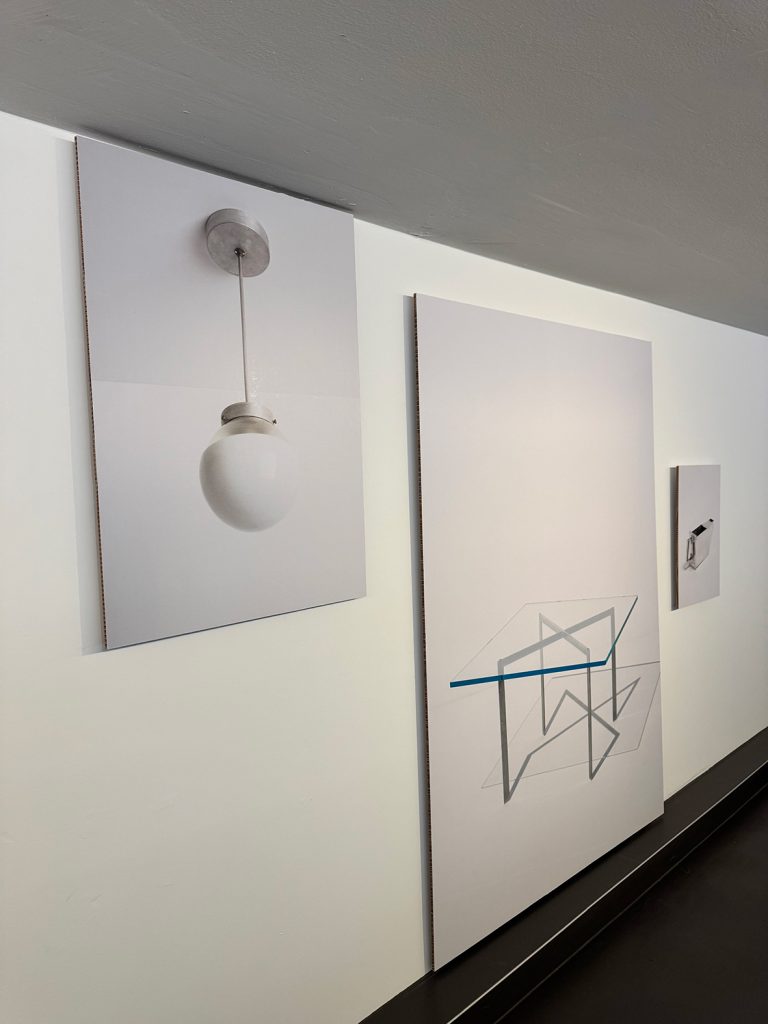
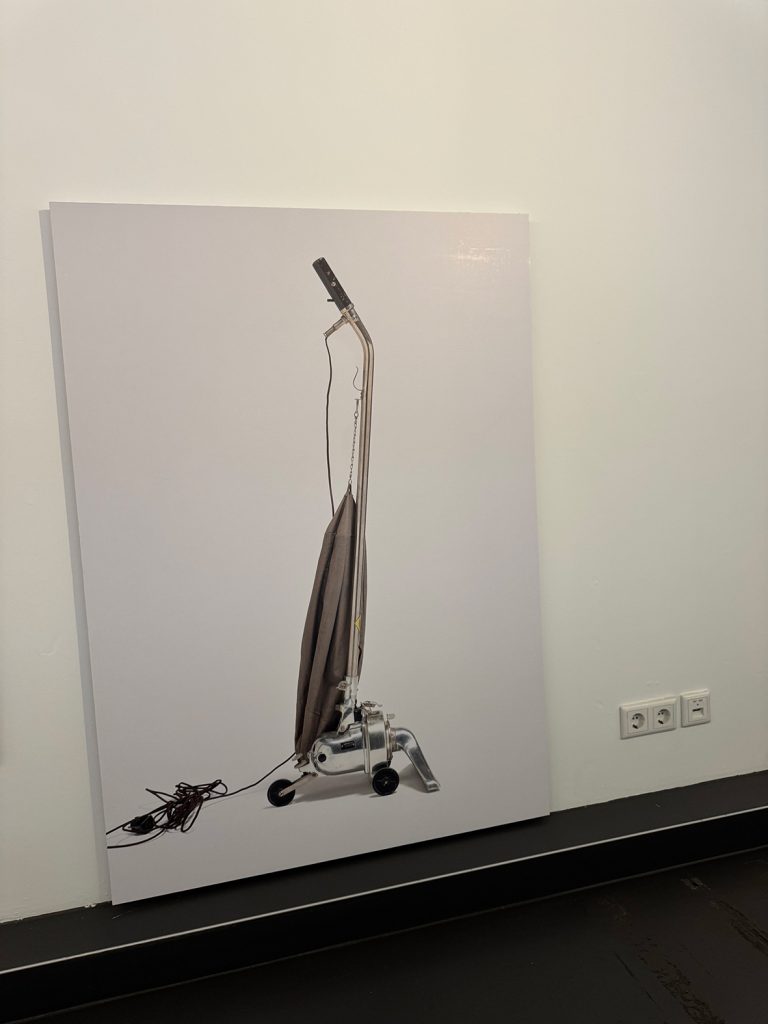
Works featured in the exhibition One Million Objects, photographed by Florian de Brün
Downstairs, the Bauhaus Archive Berlin shop offers another perspective on design, bringing together Bauhaus classics, contemporary work, books, posters and tote bags. There is Hasami Porcelain by Japanese designer Takuhiro Shinomoto, objects from Italian design house Alessi, lighting by German manufacturer Tecnolumen and designs by Dutch designer Maarten Baas. Different generations share an interest in the principle of form follows function, with plenty of room for individuality. I fell in love with the grey, oval-shaped glasses by Maarten Baas for valerie_objects. They’re now part of my collection.
Photography: Im Fong Liu. Works featured in the exhibition One Million Objects, photographed by Florian de Brün
Discover more: www.bauhaus.de



Tags: Architecture, Art, Design, Destination, Exhibition, History, Interior, Interiors, Lifestyle, Style, Travel, Trend