
/
Chanel in Three Acts
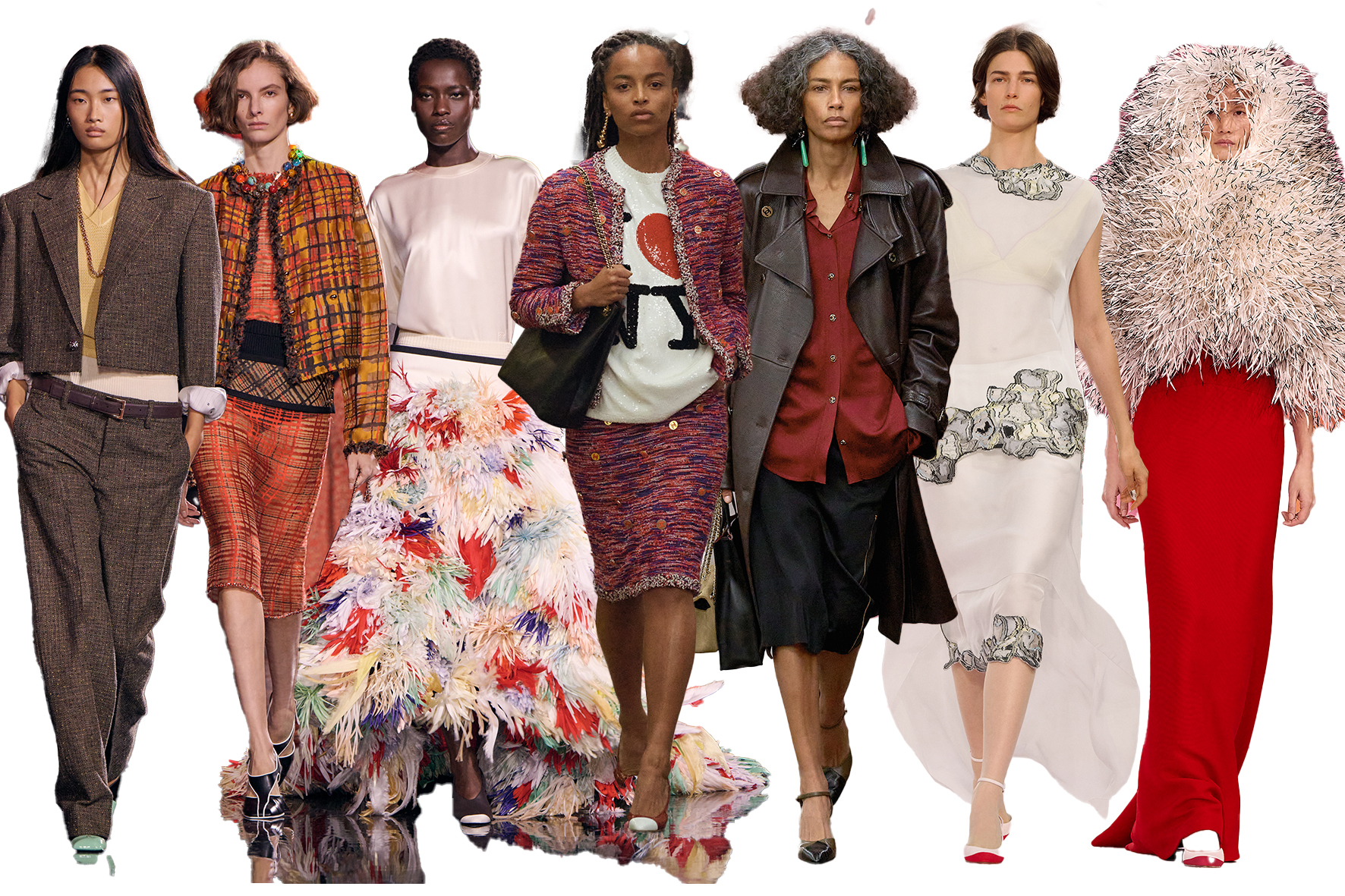
In Paris, the long awaited debut of Matthieu Blazy at Chanel takes place beneath illuminated planets at the Grand Palais. The ambience reaches outward, almost cosmic. The house announces the moment. Within that magnitude, there is a shift in attitude. It feels like a recalibration of the maison narrative. Tailoring is disciplined. A white shirt sits at the centre of the proposal, a nod to Boy Capel and to the masculine foundation of Chanel’s early independence. Blazy collaborates with Charvet, drawing on the French heritage shirtmaker to develop an oversized white tuxedo shirt paired with a sweeping black asymmetric skirt, or a striped men’s shirt cropped and worn with a feathered ballgown maxiskirt. Movement adds emotion. It suggests a renewed reading of the twenties. Masculine codes meet feminine line. Jackets are cropped. Shoulders are defined.
Under Virginie Viard and the studio, codes were often amplified. Here they are compressed. Lighter and refreshed. More 3D. Not through layering, but through contained volume within a single garment. The duotone ballerina returns, adjusted in proportion. Waistlines drop. Proportions shift. The 2.55 changes in scale and allure.
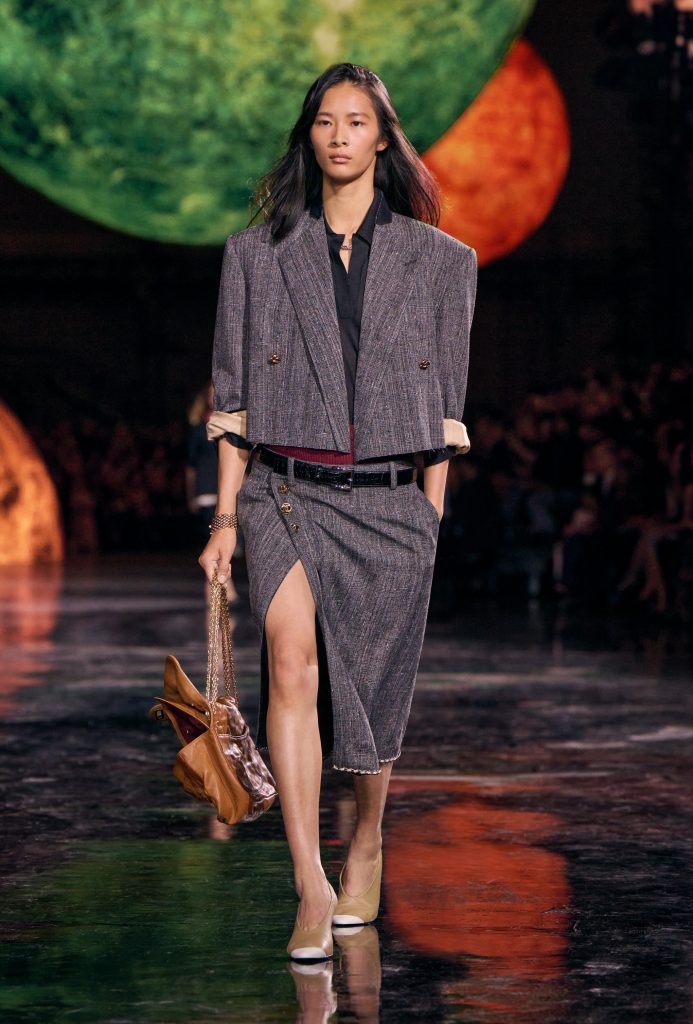
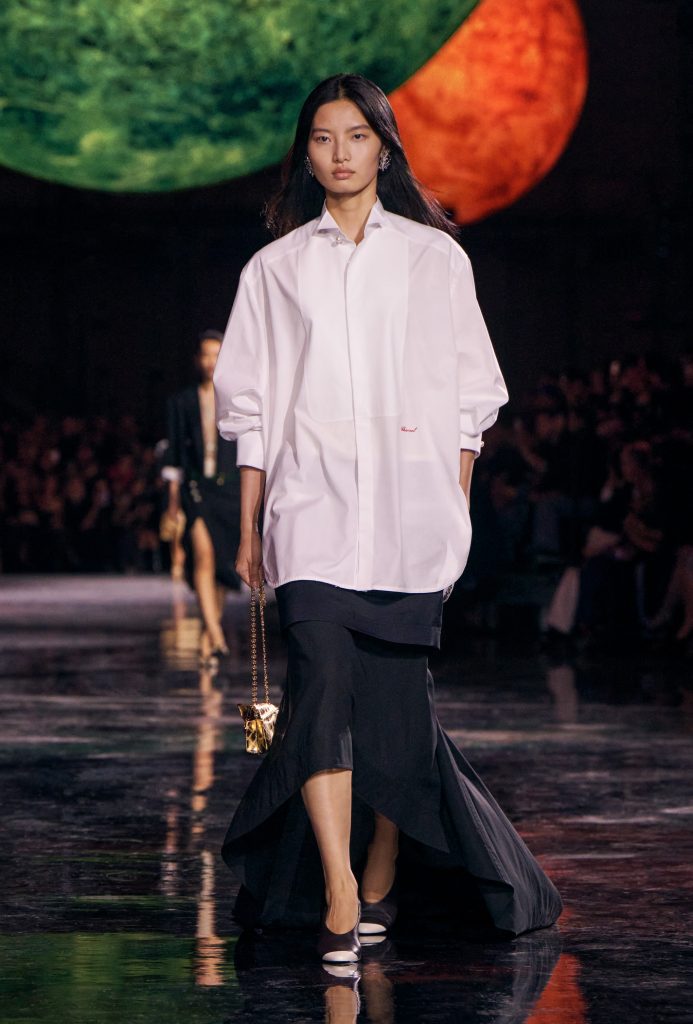
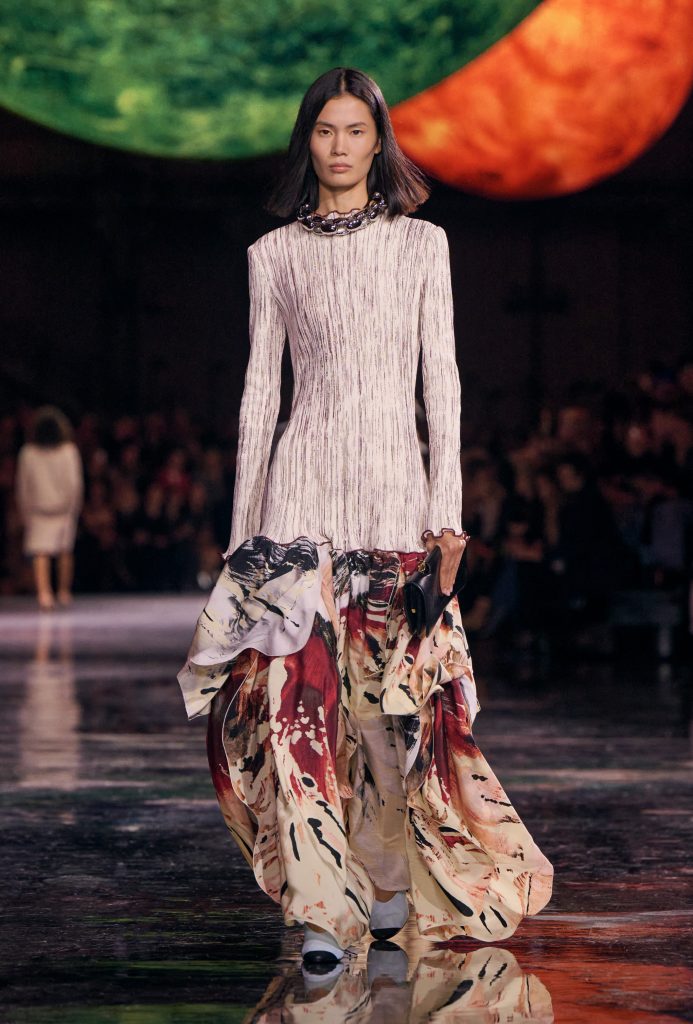
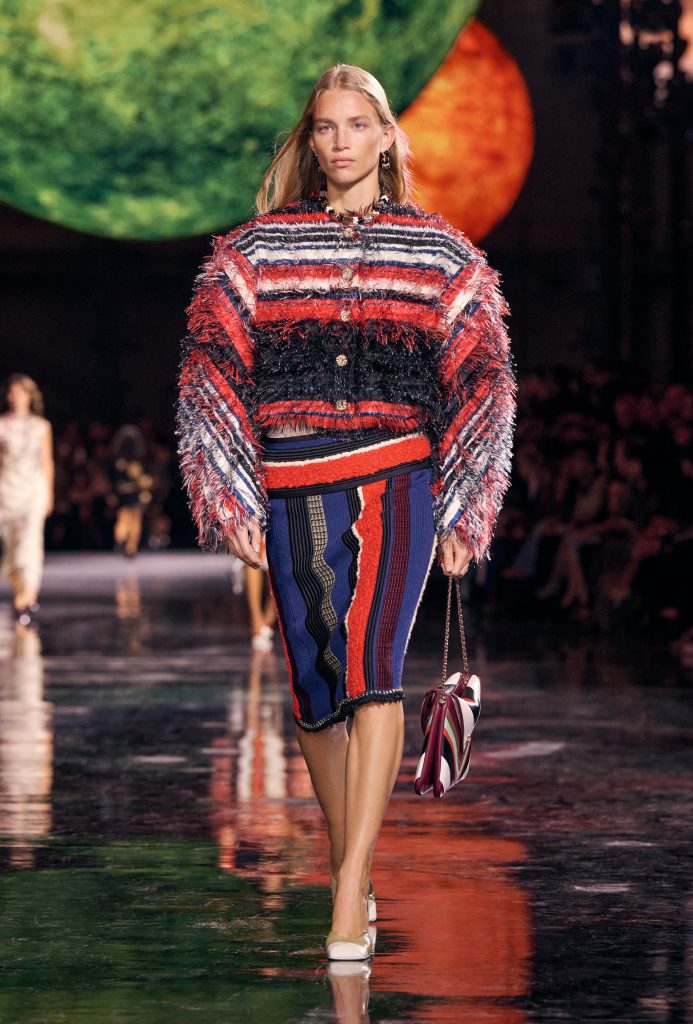
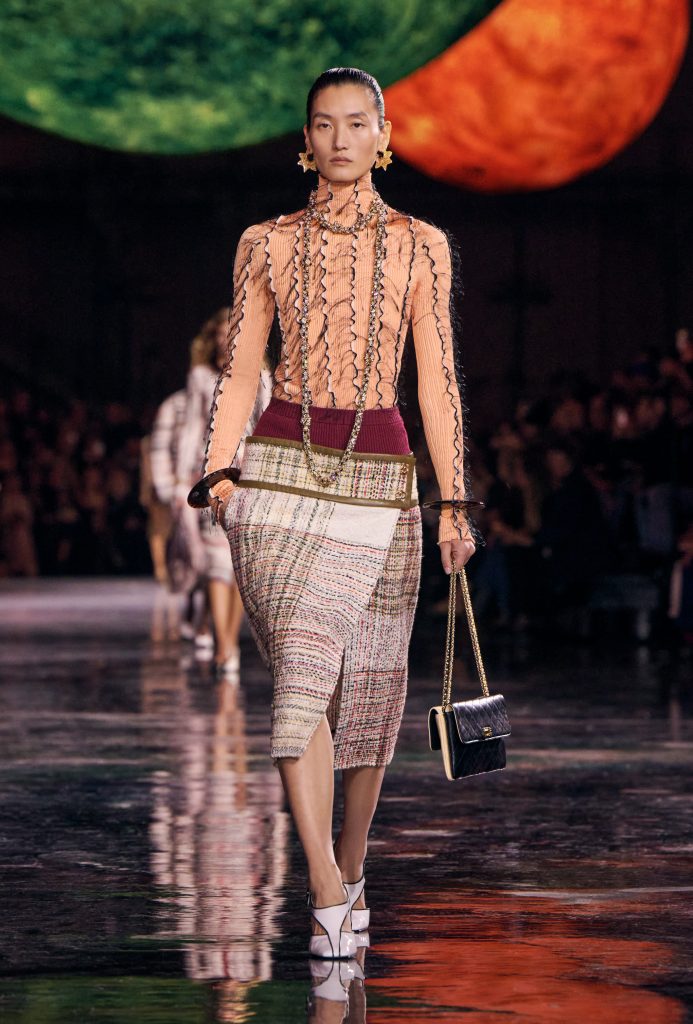
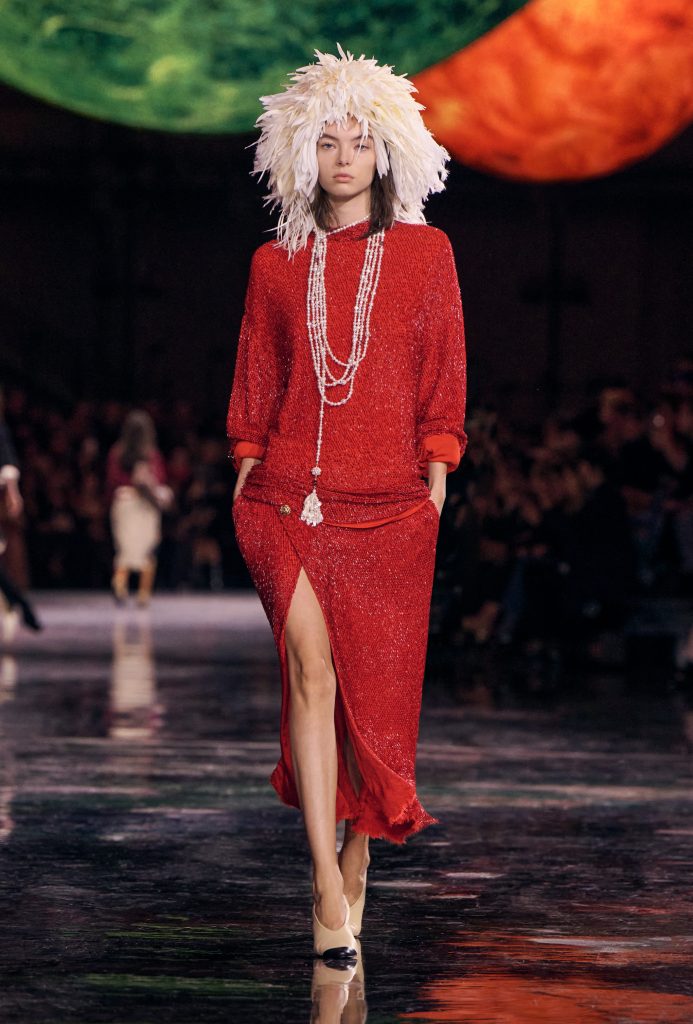
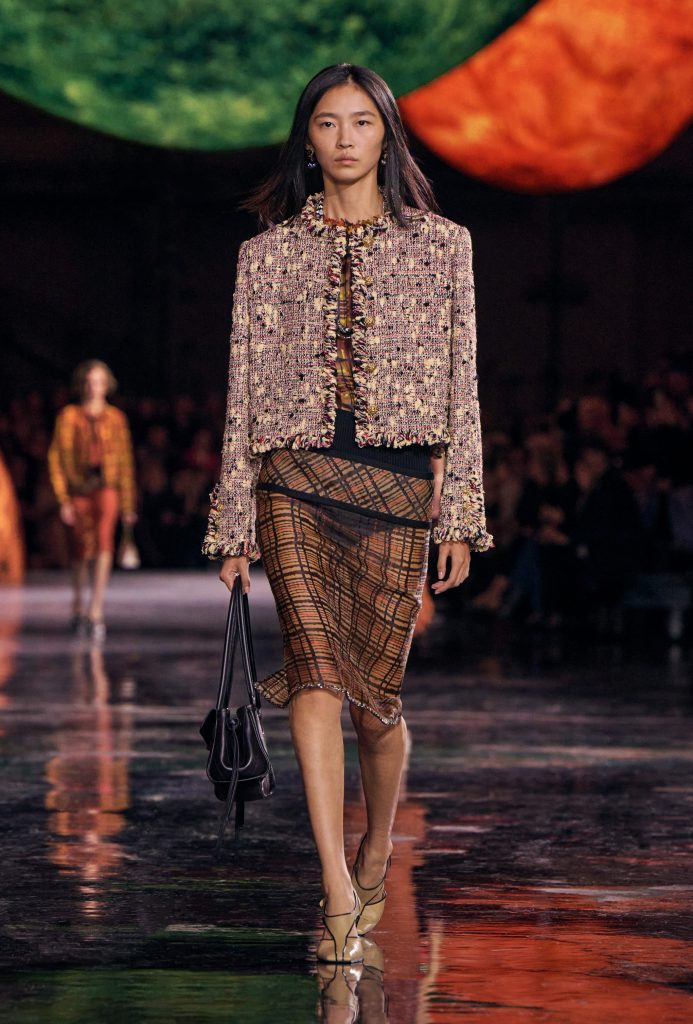
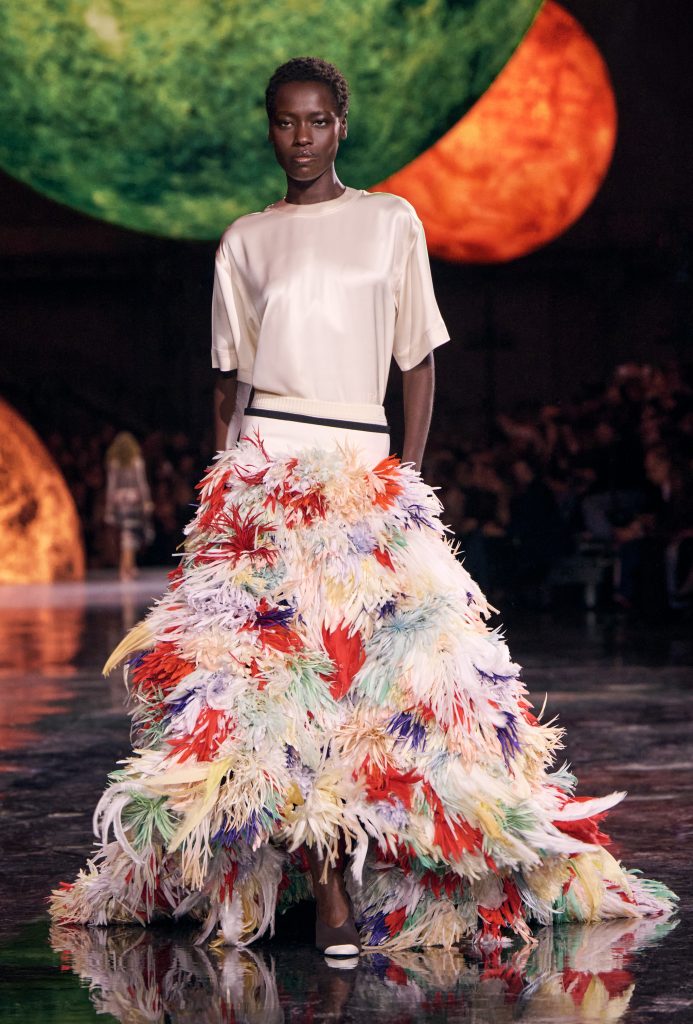
Chanel SS26, photography courtesy of Chanel
In December, New York alters the register. The Métiers d’Art collection, established in 2002 to foreground Chanel’s specialist ateliers, replaces chic Paris with a metro platform, the Bowery subway platform. Here, Chanel moves through steel and concrete. The silhouettes align with contemporary life, with a street photography edge. Tweeds are lighter. Leather bags appear crinkled, almost handled, as if ownership precedes display. There is humour and character. Blazy references Gabrielle Chanel’s visit to New York in 1931, when she observed women outside elite circles adopting her style. That energy informs the collection. American sportswear and bouclé flannels appear alongside cinematic gestures. The idea of introducing a new classic resurfaces.
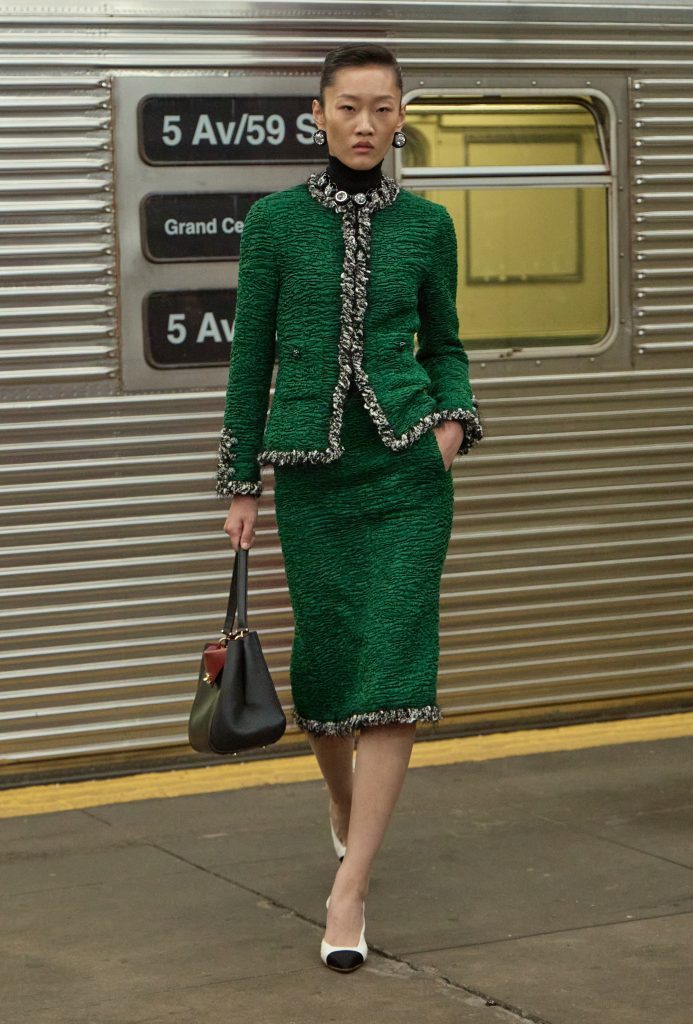
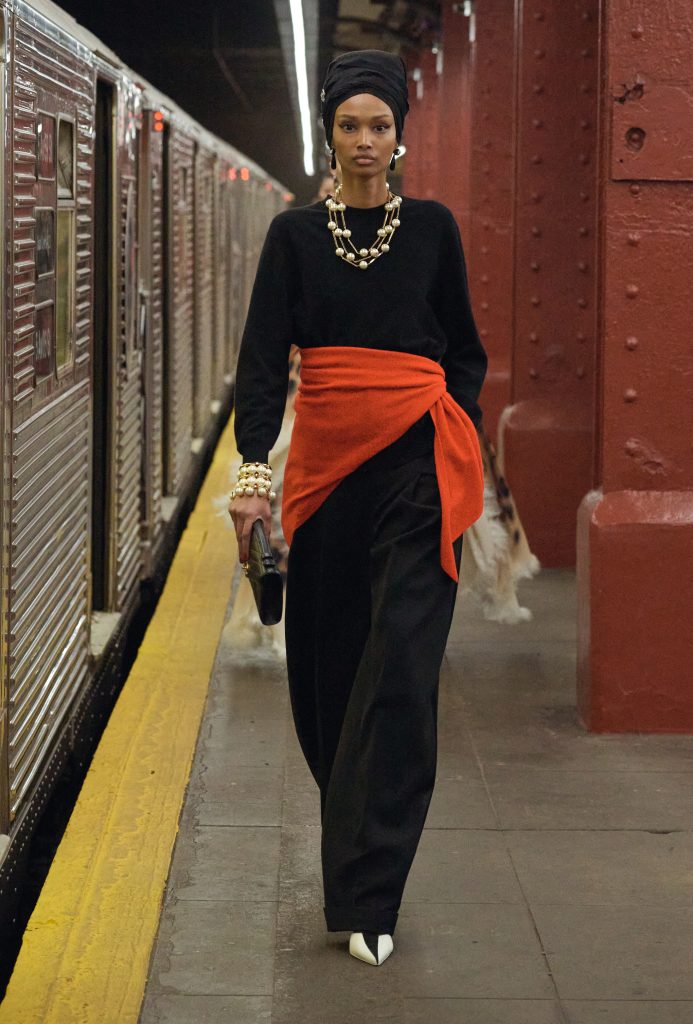
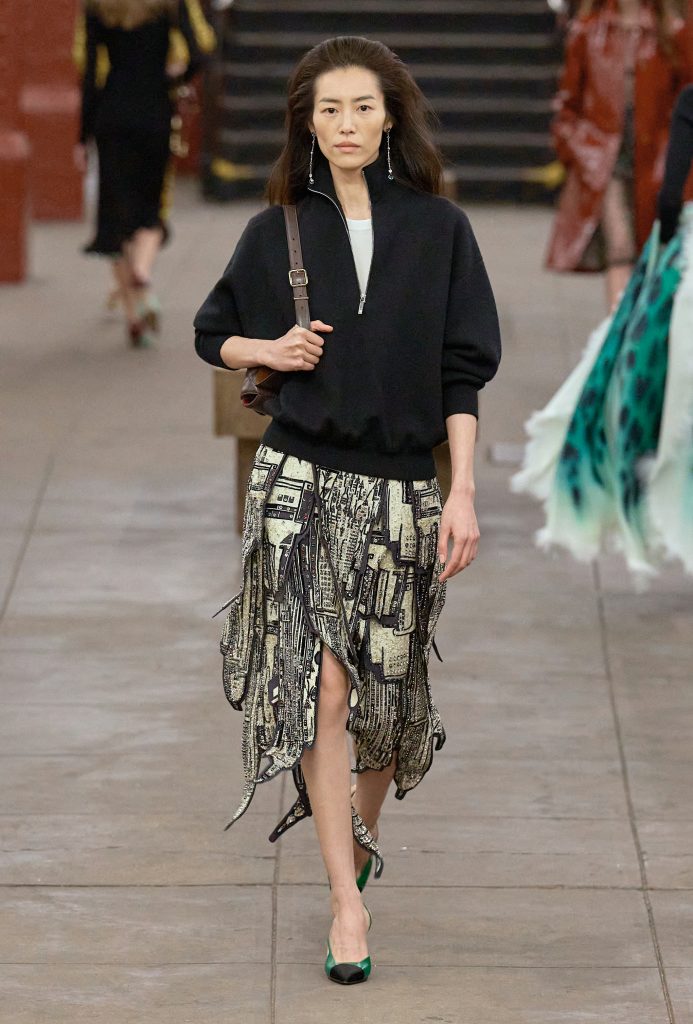
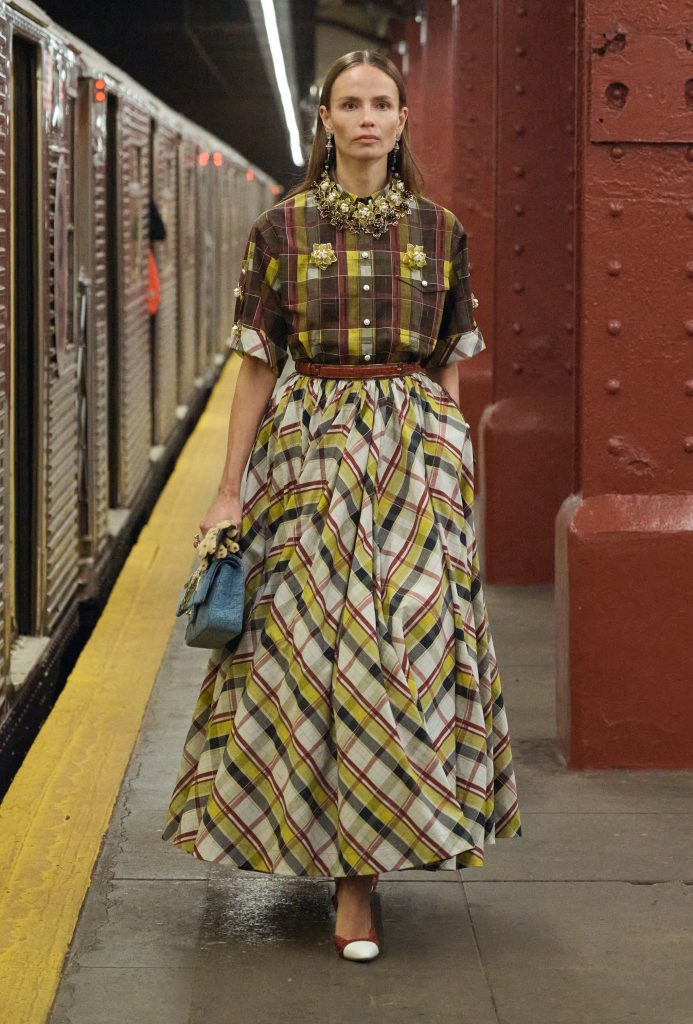
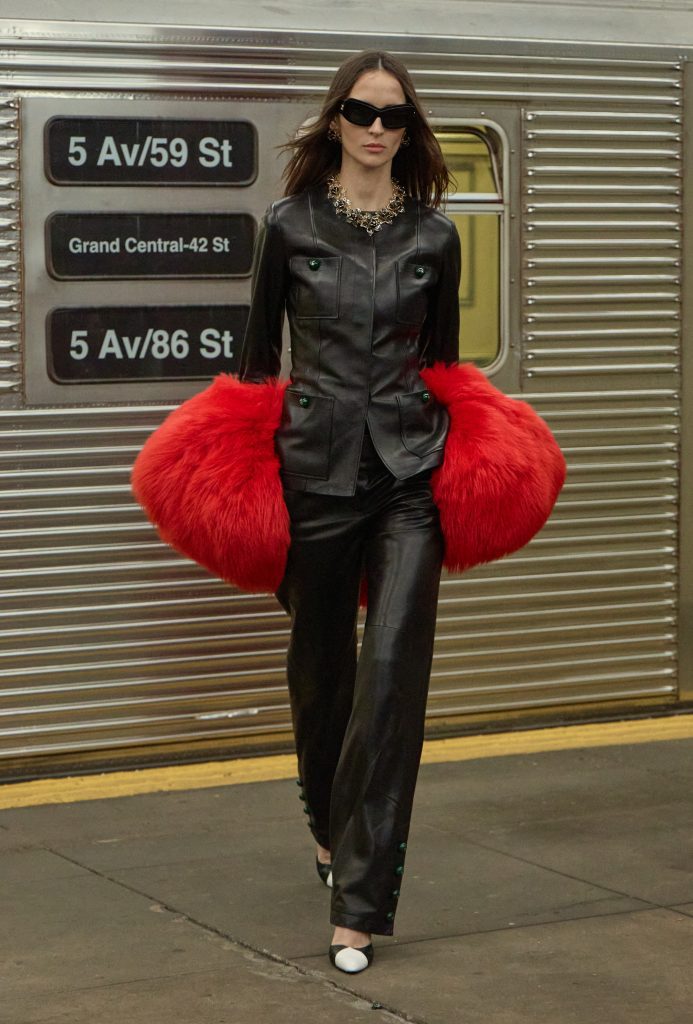
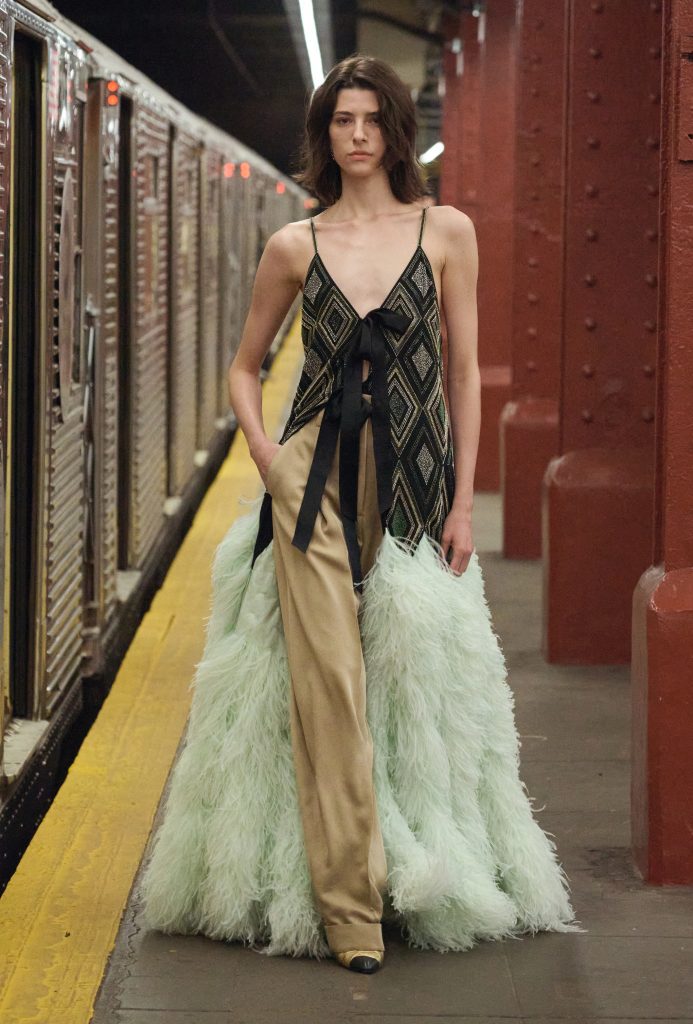
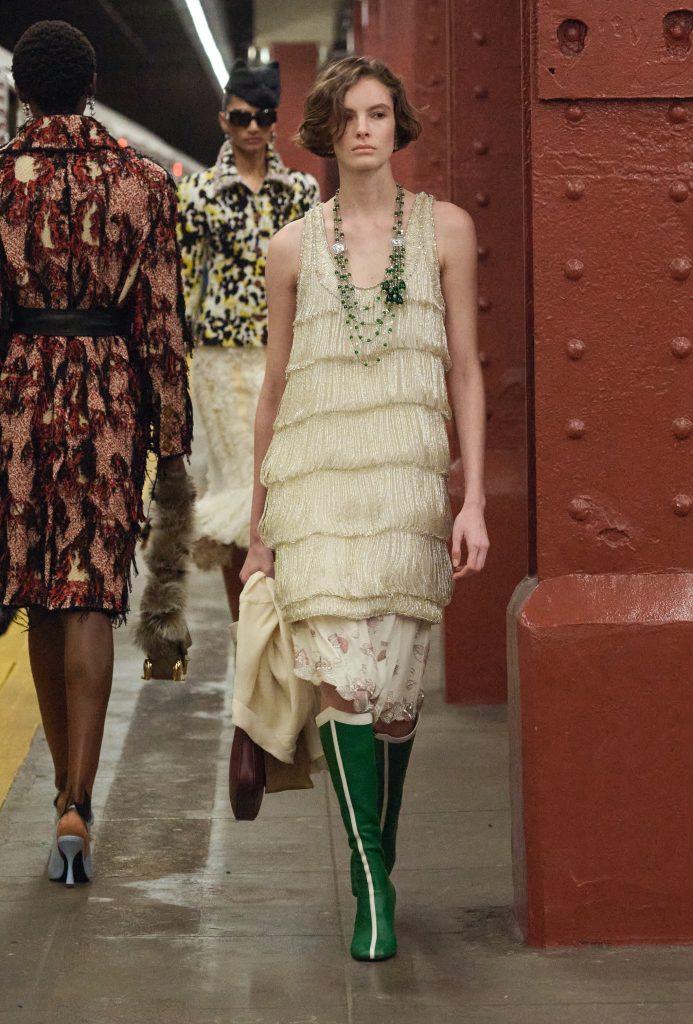
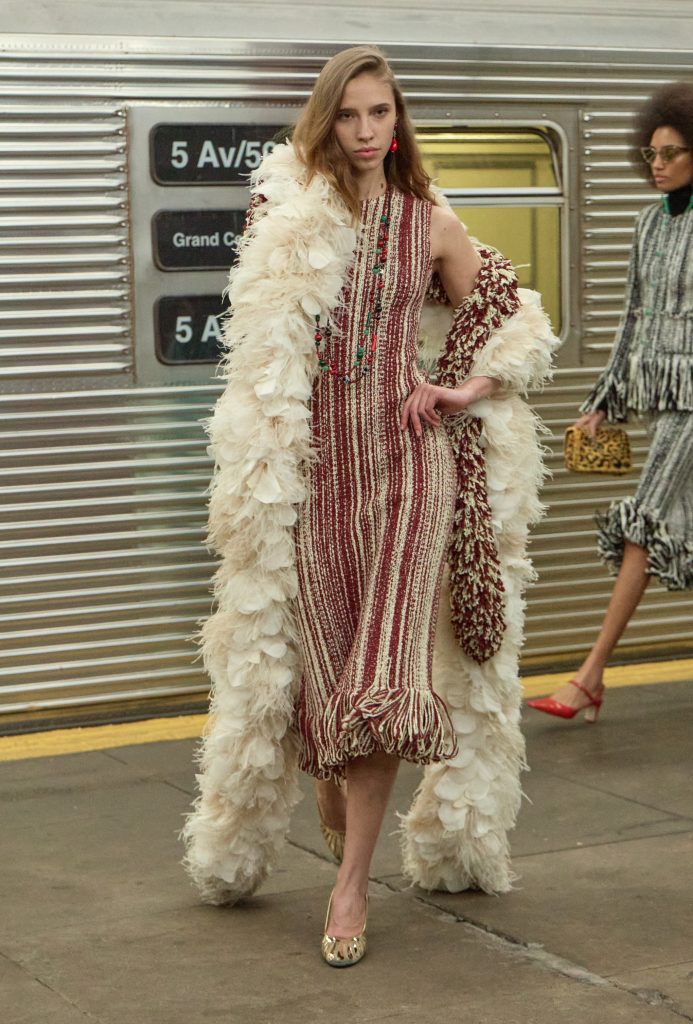
Métiers des Arts SS26, courtesy of Chanel
Couture shifts the focus again. A haiku of a bird on a mushroom becomes the starting point. No sketches. No reference images. Blazy speaks of working directly on the body. Reduction here is concentration. The spectacle becomes an oversized garden. This couture collection reads differently at distance than up close. The labour is exacting. It demands proximity. Surfaces that appear simple require inspection. Construction becomes visible. The 2.55 collapses into near nothingness, rendered in sheer fabric held in the hand. Mousseline, once considered humble, returns as structural force. Casting becomes part of the narrative. Hong Kong model Christine Chung makes her debut in the couture show. Close to sixty, she alters the reading of the garments. Blazy also brings familiar faces from earlier collaborations. The casting feels intentional. It extends his vocabulary into Chanel.
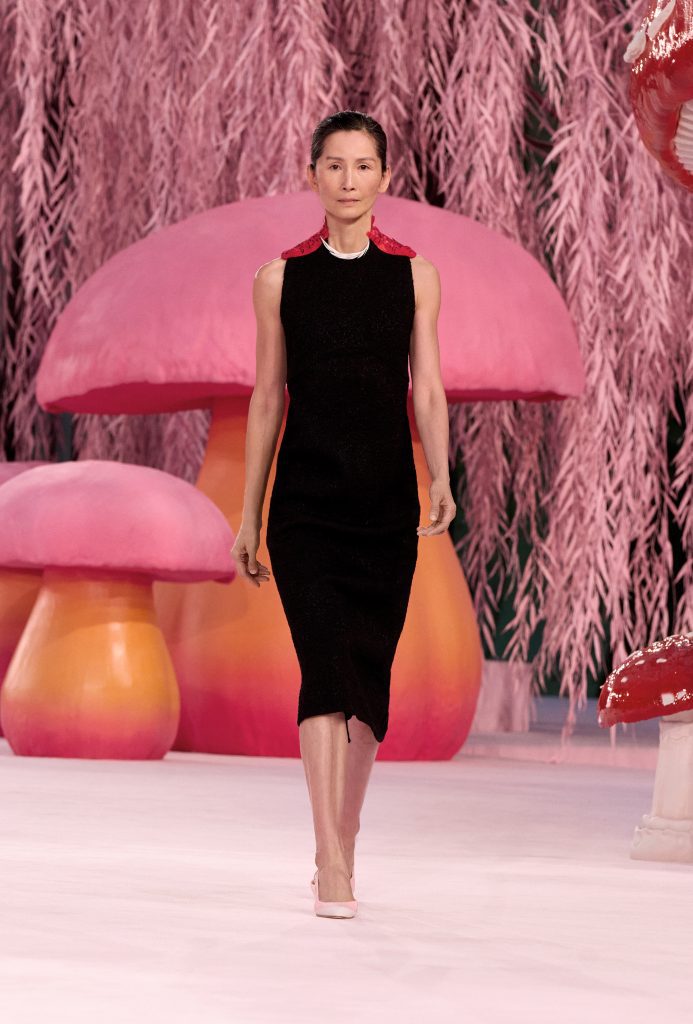
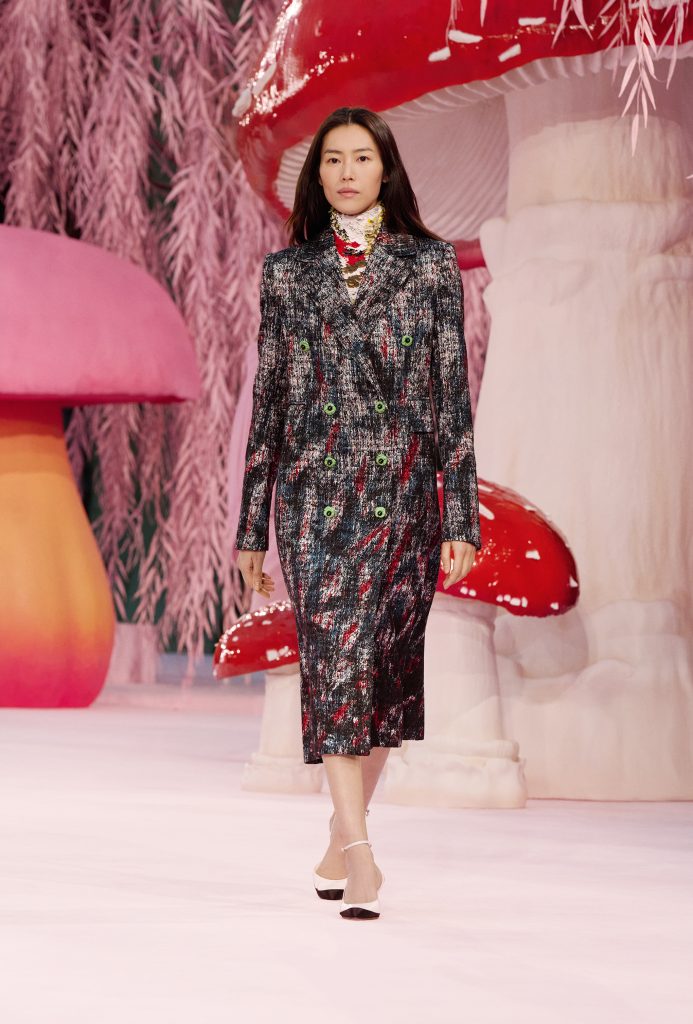
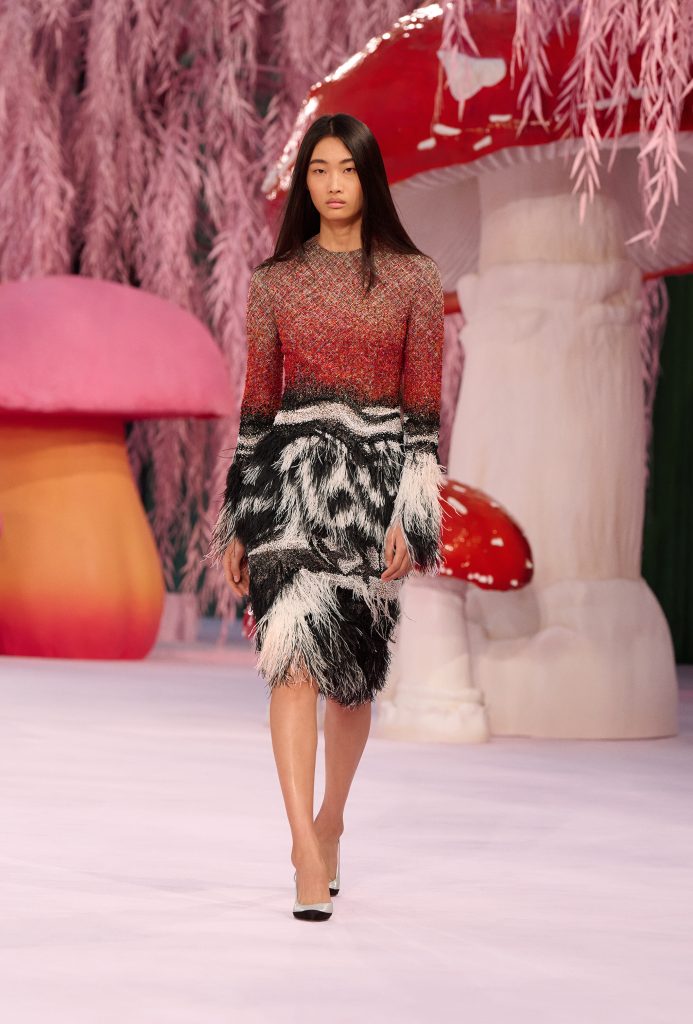
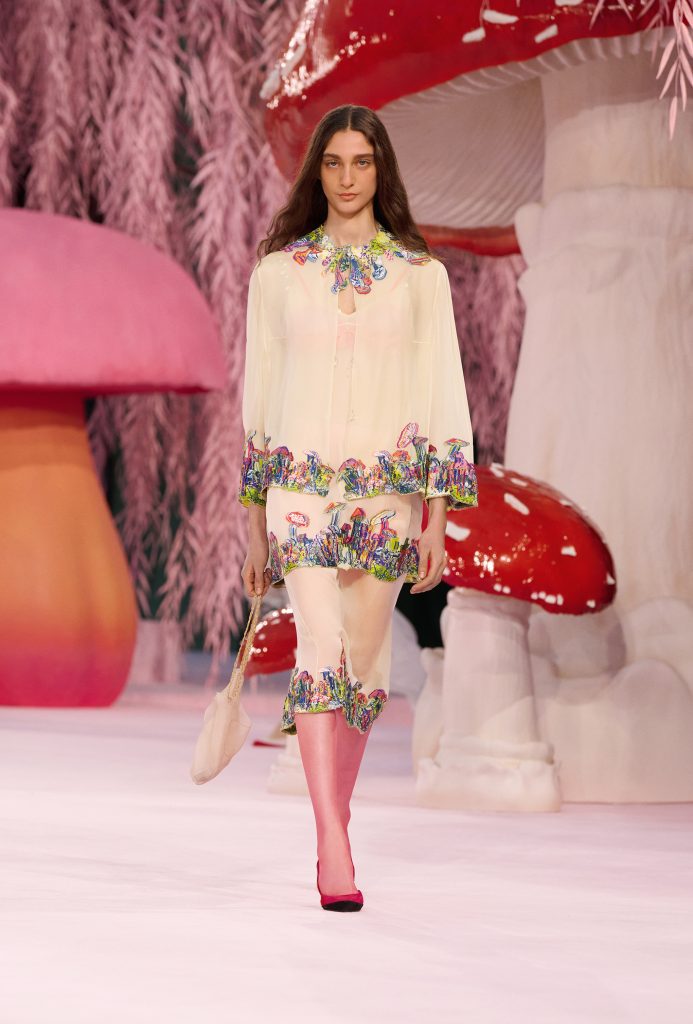
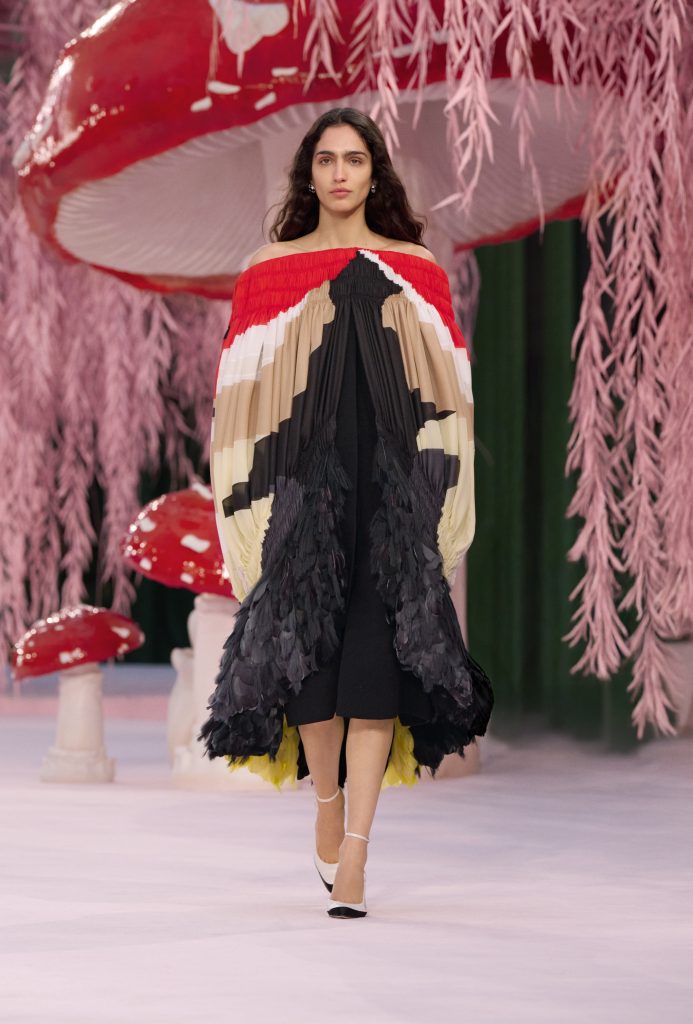
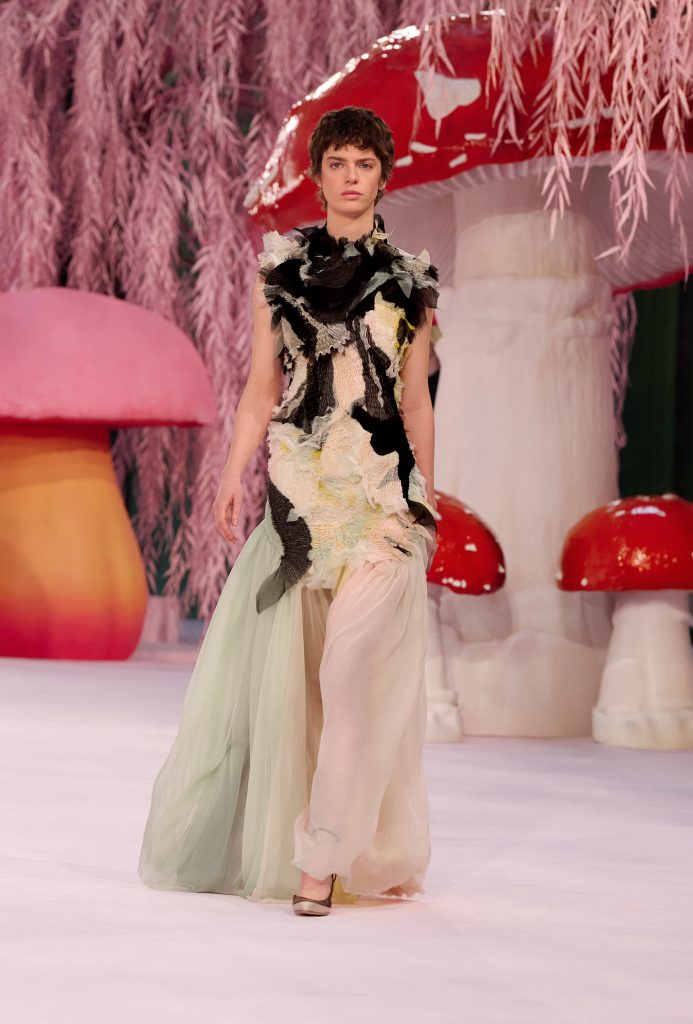
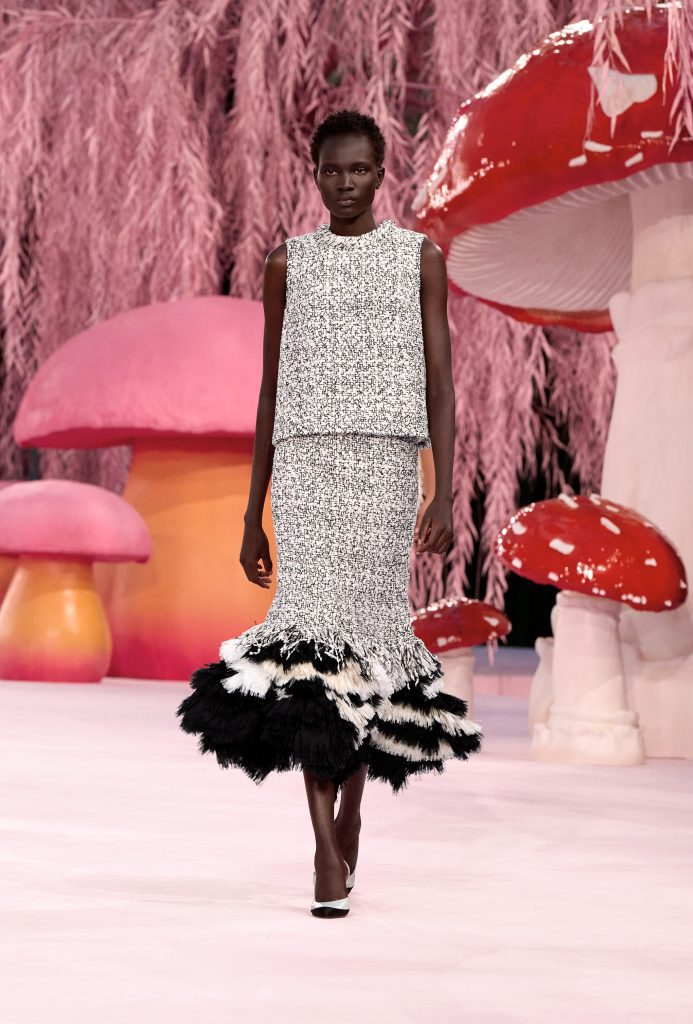
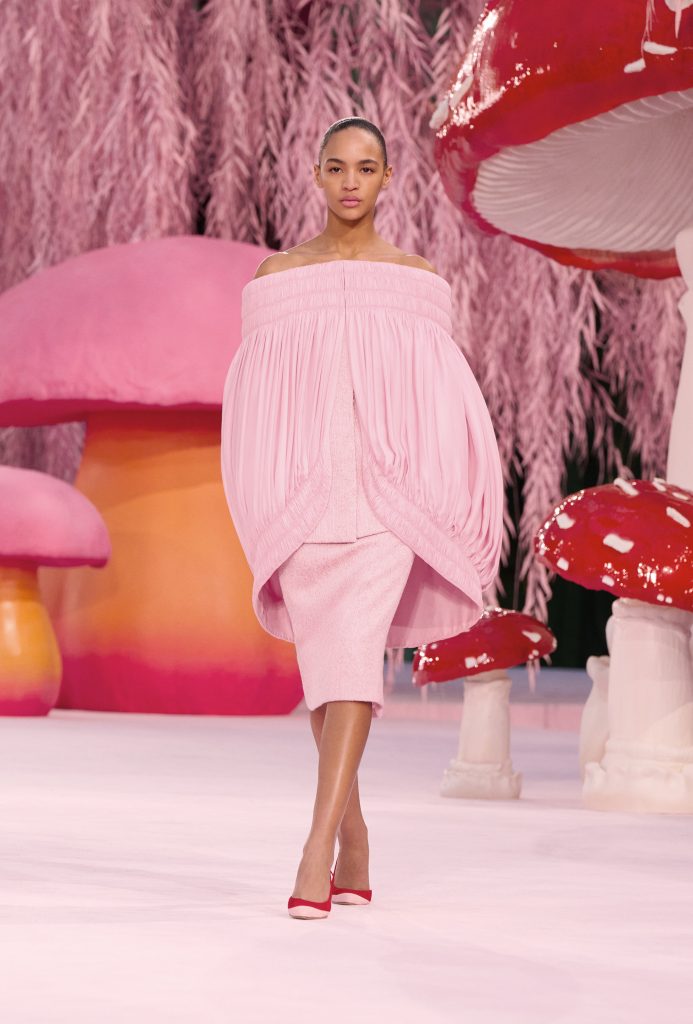
Chanel Couture 2026
Across these three collections, each marking a different debut, new control is evident. Blazy highlights, within the elaborate archive, what feels current for this Chanel era.
Discover www.chanel.com
Photography, courtesy of Chanel