/
Close-up: James Barnor
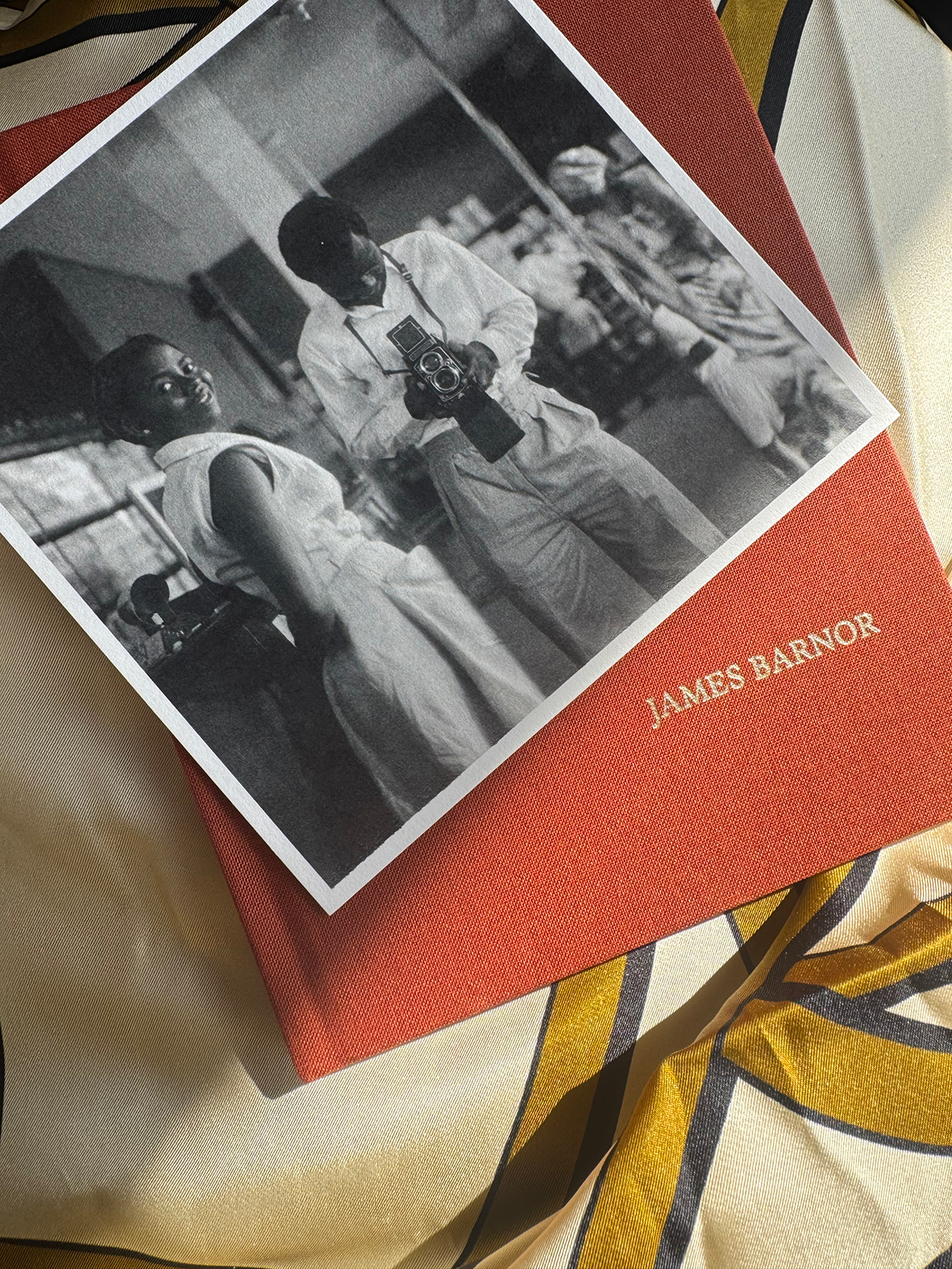
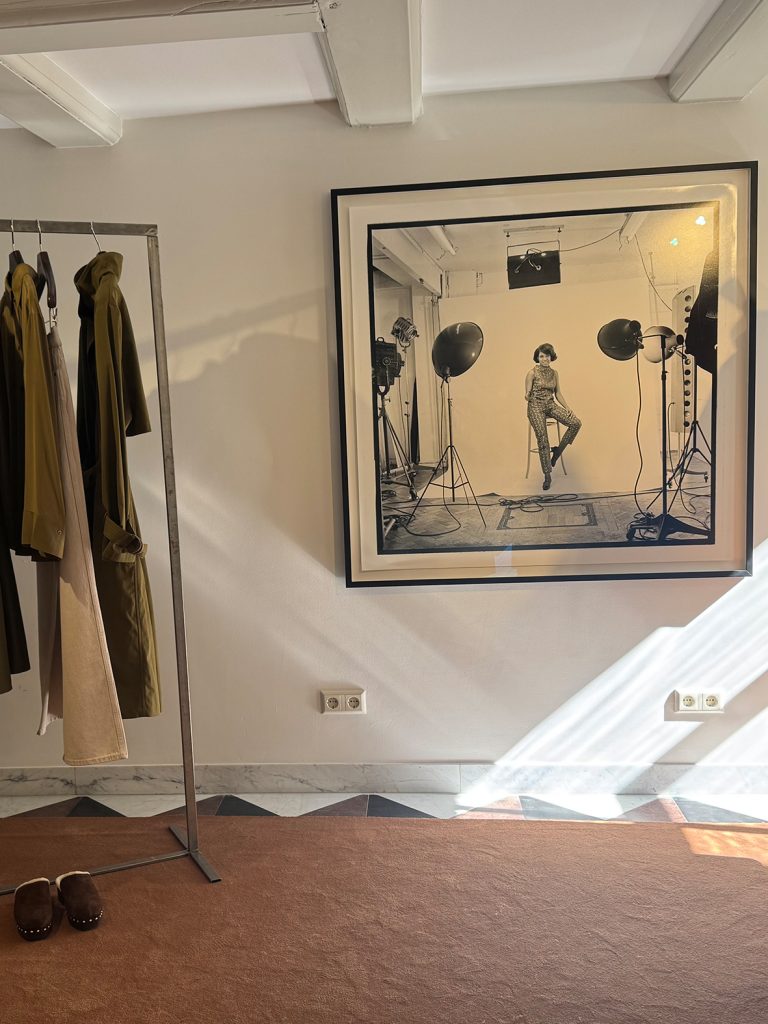
At Sézane’s autumn presentation in Amsterdam, black-and-white and colour photographs appear throughout the canal house. One shows a model in a photography studio, surrounded by lights and cables. In another, the same woman’s portrait appears twice inside a darkroom. On a table lies a hardcover book bound in rust-coloured cloth. The name on its cover is James Barnor.
Photography has long fascinated me as a way of recording history. Clothes, gestures, shopfronts and city streets reveal how people live and how societies change. I see this in the work of Vivian Maier, Ed van der Elsken, Fan Ho, James Chung and Shōmei Tōmatsu. Each records daily life through a particular city, culture and period.
Born in Accra in 1929, Barnor begins his career there. In 1949, he opens his Ever Young studio in the Jamestown district. His portraits document Ghana in the years leading up to independence. Visitors pose in carefully chosen clothes, framed by painted backdrops and parted curtains. He also becomes the first staff photographer for the Daily Graphic, covering political figures, public events and life in the city. In 1959, he moves to Britain and studies at Medway College of Art. He photographs for the influential African magazine DRUM, capturing Black models, musicians, nurses and students across 1960s London. His photographs of fellow Ghanaians, including broadcaster Mike Eghan, place the Ghanaian diaspora within the visual history of postwar Britain. Piccadilly Circus and Trafalgar Square provide the backdrop. Clothes do part of the storytelling: a carefully chosen coat, dress or hairstyle communicates modernity, ambition and self-possession.
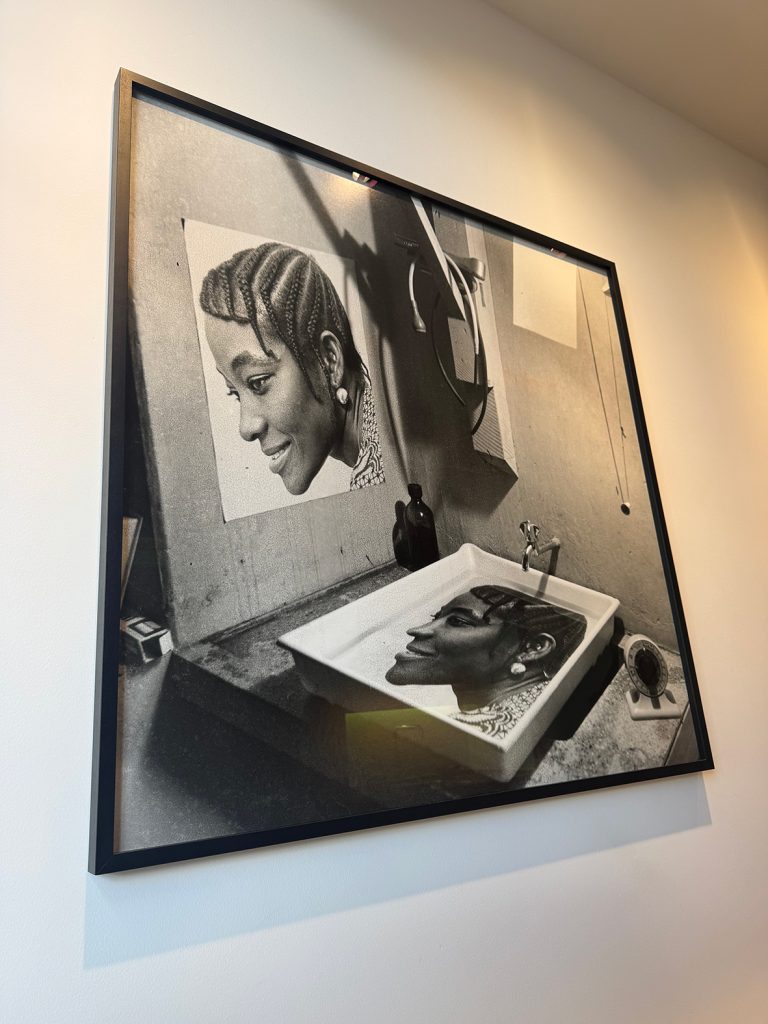
James Barnor photographs during a Sézane presentation
In 1970, Barnor returns to Ghana and helps establish the country’s first colour-processing laboratory. It makes colour photography more widely accessible in Ghana. Kente cloth, patterned dresses and the saturated shades of city life can now be reproduced locally with greater accuracy. Barnor works across portraiture, photojournalism and fashion. In each, he observes how people choose to present themselves to the camera. Recognition follows decades later. In 2010, when Barnor is already in his eighties, Autograph presents his first major retrospective in London. Now 97, he lives in London and sees his archive enter major museums and exhibitions. His photographs document modern Ghana and postwar Britain across two continents and more than six decades.
At this presentation, Sézane brings Barnor’s photography together with fashion, interiors and books. A special-edition hardcover presents a selection of his work. Seeing the photographs there prompts me to look further into Barnor’s life and archive.
Installation photographs by the author. Works pictured by James Barnor