

/
Martin Margiela: The White Canvas of Rebirth
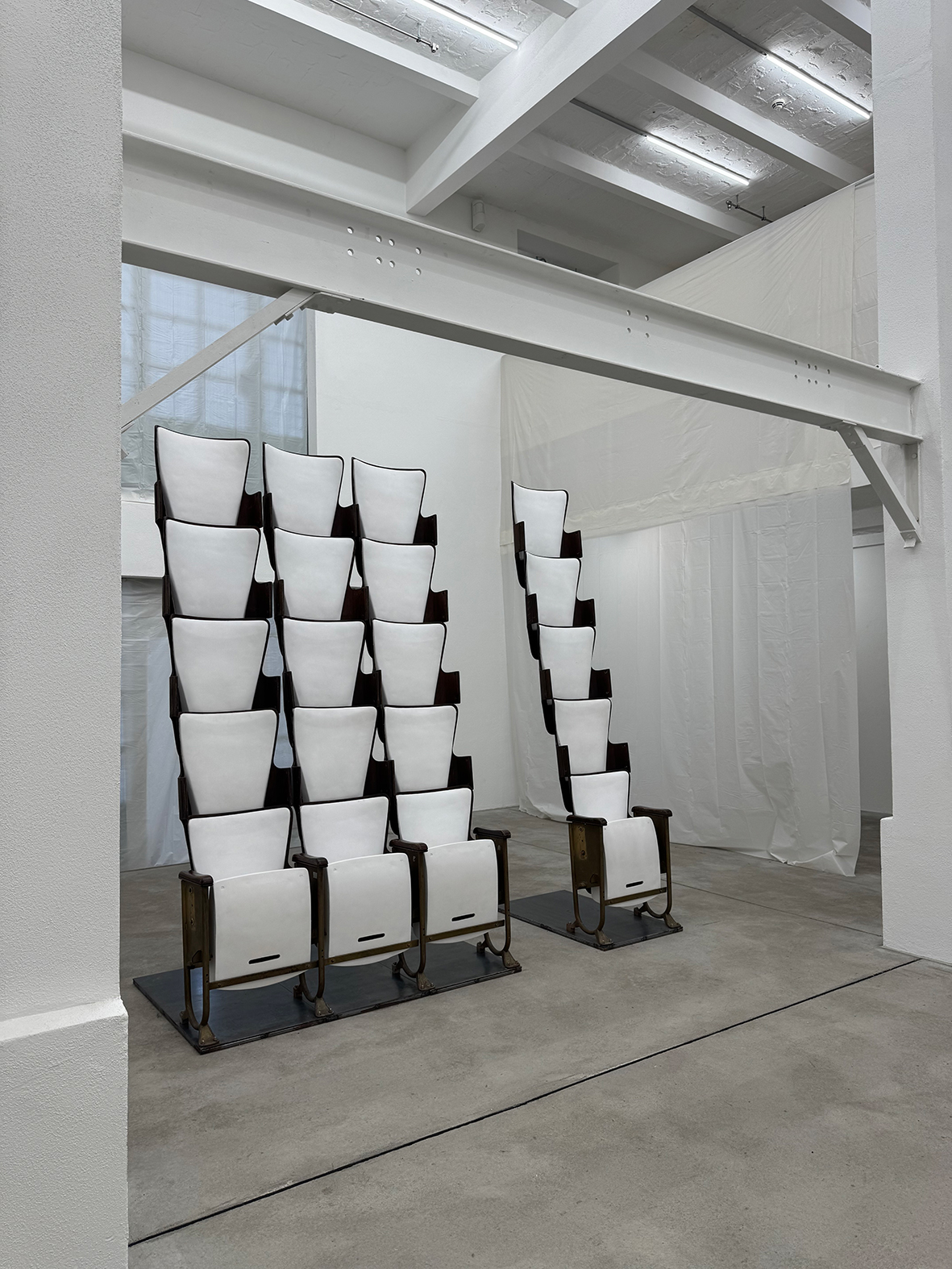
At Konrad Fischer Galerie in Berlin, Martin Margiela creates a labyrinth of lightweight white sheeting within a former transformer station, set back from Neue Grünstraße. The material rustles as I pass. Against the building’s industrial weight, its fragility feels tangible. At the centre stands Audience, a monumental wall of reclaimed cinema seats and one of the exhibition’s most striking works. Knowing Margiela’s history, this exhibition feels like an artistic reincarnation. For me, his departure from fashion reads as a transition. The seasonal staccato rhythm of fashion gives way to an independent artistic practice. Margiela is always an artist; clothing is his medium during one chapter of that practice.
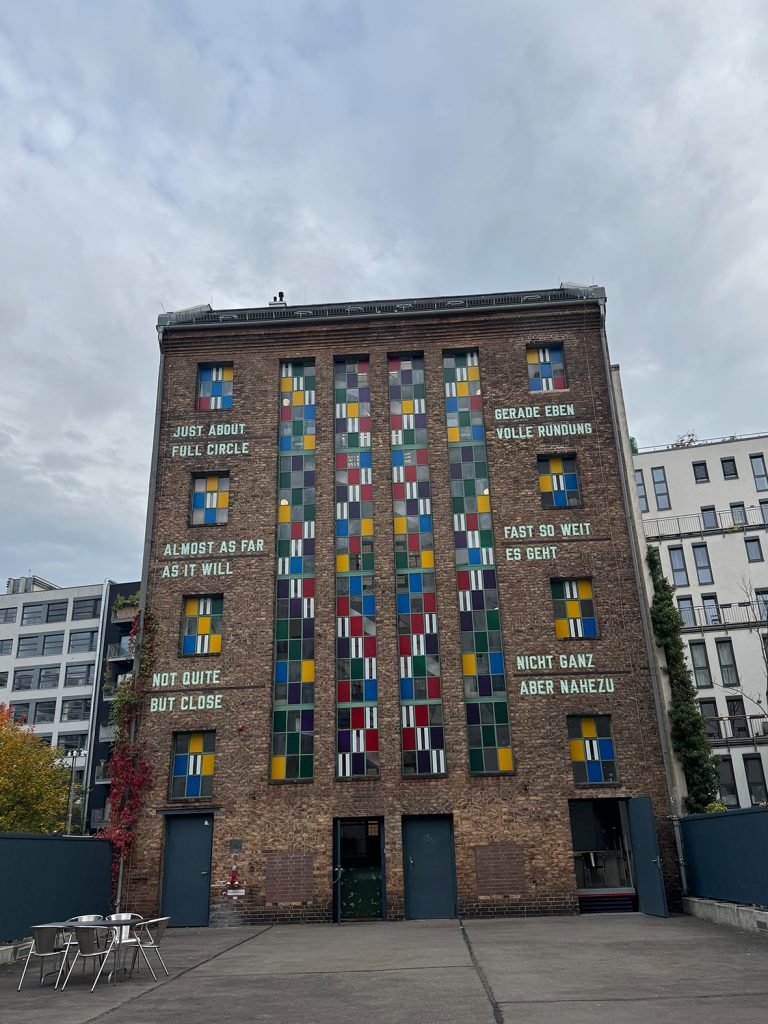
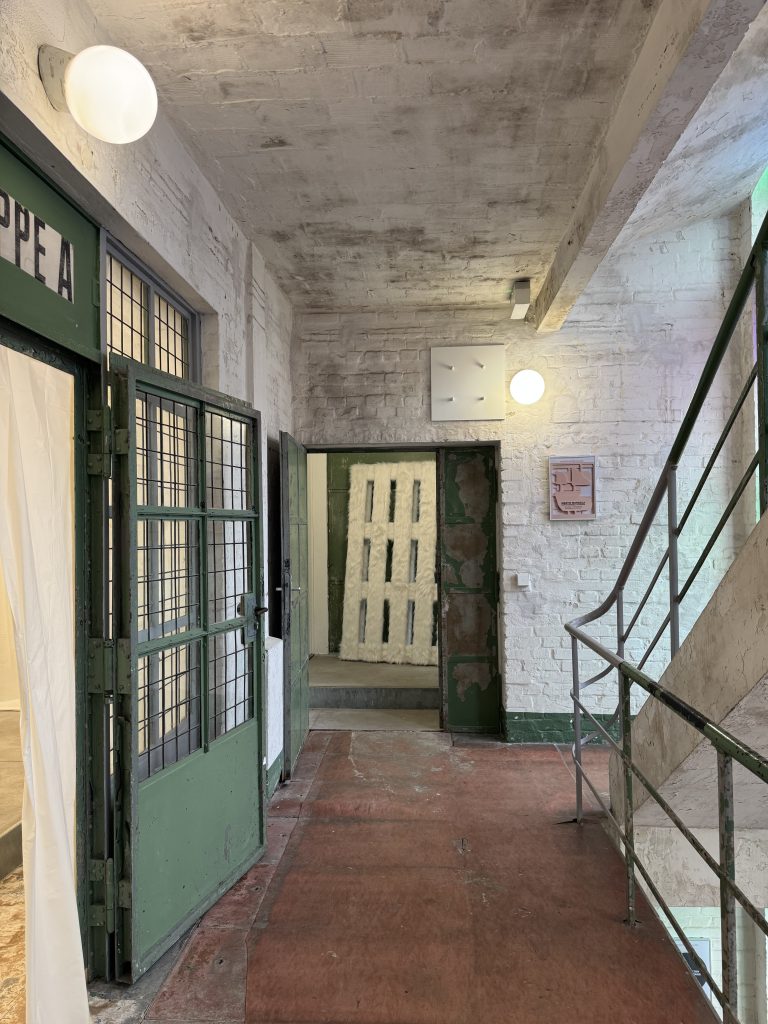
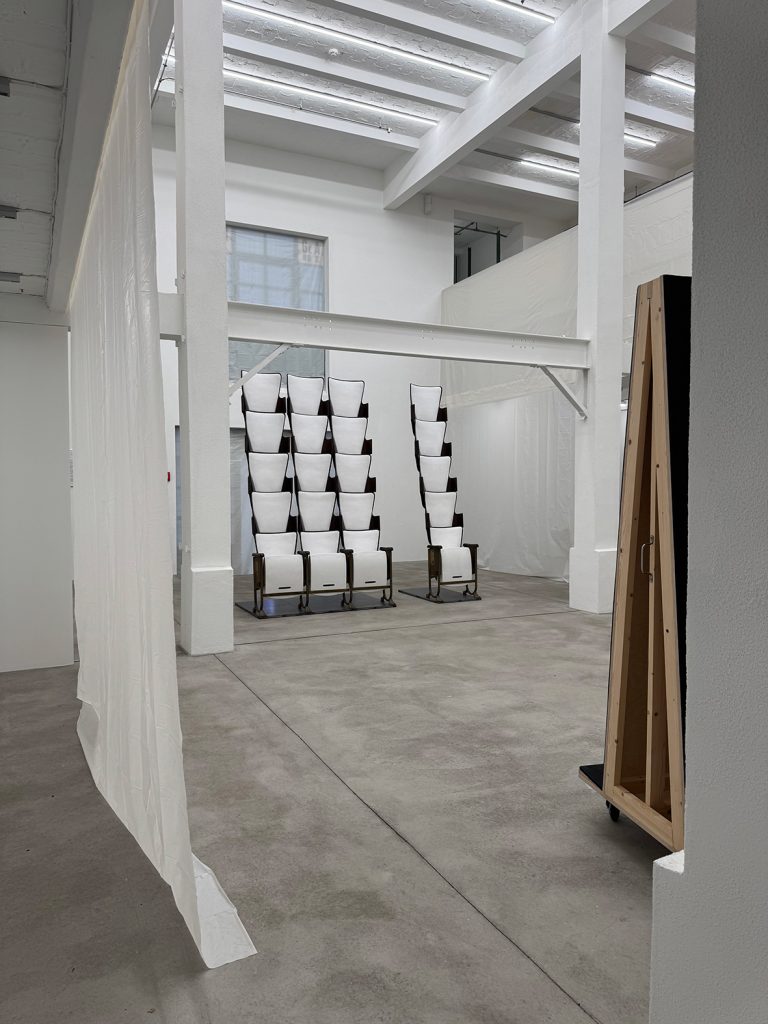
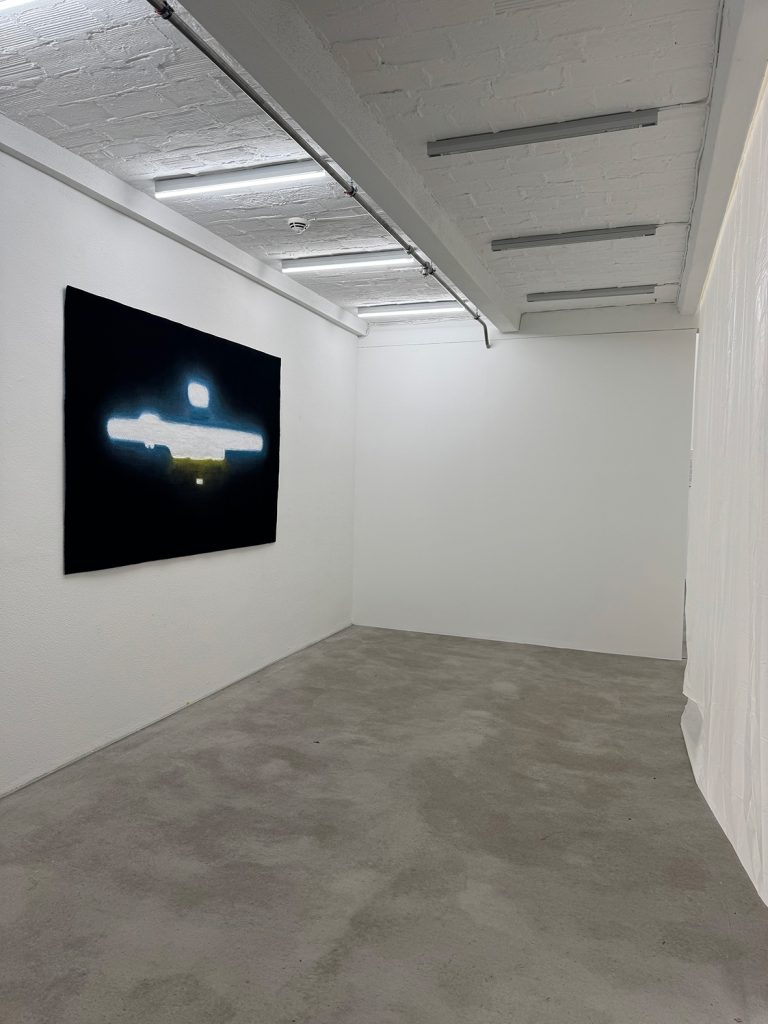
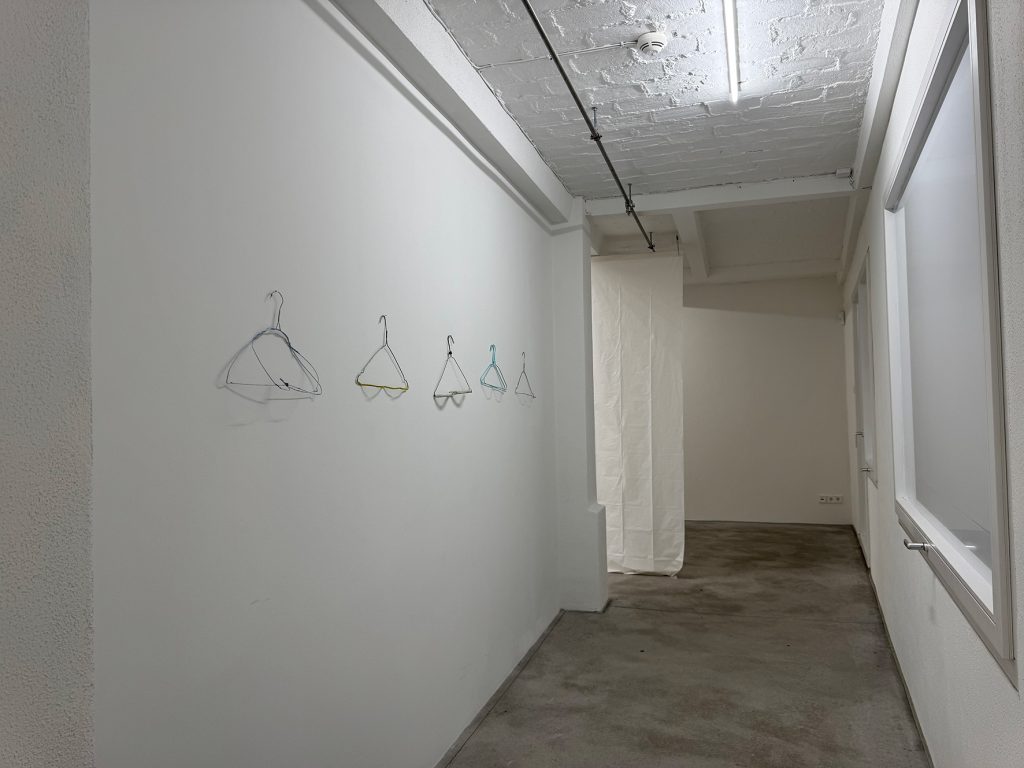
Martin Margiela’s exhibition in Konrad Fischer Galerie Berlin
White makes this continuity visible. It recalls his fashion ateliers, the painted furniture, the blank label and the surfaces that register time through wear. Through my Cantonese background, white also carries an association with mourning. Here, that association leads towards reincarnation: the passage from one state of being to another. Seen through this lens, the white sheeting marks a threshold between Margiela’s life in fashion and his present art practice. It divides the gallery into intimate spaces, concealing works and visitors from one another. Each passage brings another encounter. The lightweight sheeting moves as visitors pass, recalling fabric in motion as models walk down a runway. This connects with his longstanding interest in transformation. His white-painted garments and shoes change through use, their surfaces cracking to reveal the material beneath. Here, the sheeting makes movement perceptible.
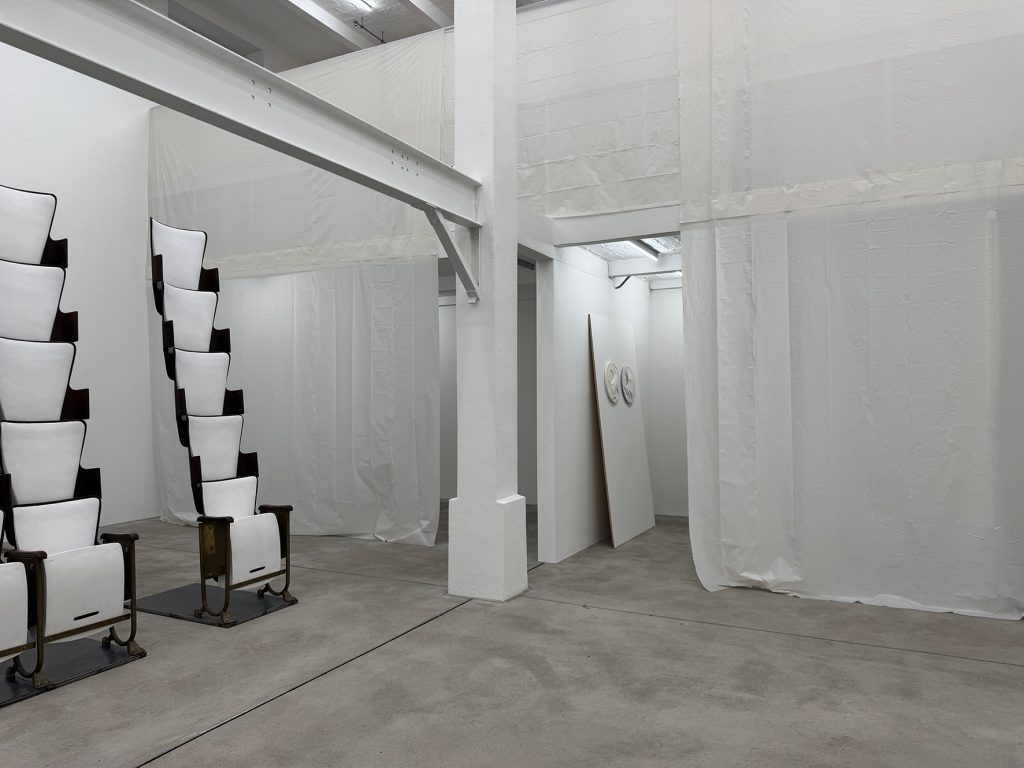
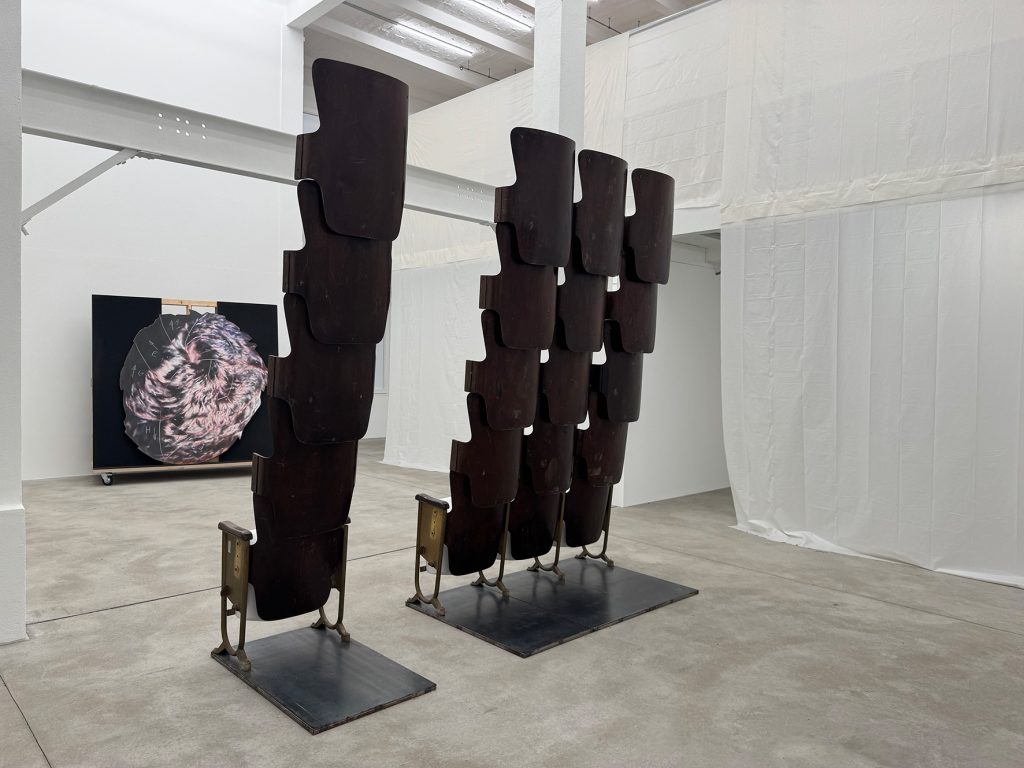
Audience by Martin Margiela
Audience is a large installation of reclaimed cinema seats, stacked vertically into a wall within the gallery. Their original upholstery is replaced with casts in plaster and acrylic. The absent audience remains present through these forms. Seats made for watching a screen now become something to look at. The room divider also makes me think about the division between fashion and art in Margiela’s work. Though his fashion is art as well. That interest in deconstruction connects these objects with his fashion collections.
The former transformer station deepens this perspective. A building originally designed to transform electrical voltage now houses objects undergoing transformations of their own. The solid industrial structure holds Margiela’s fragile interventions, giving their lightness a particular force. Here, white connects mourning, renewal and the possibility of another life.
Photographs by the author
You might also like


Tags: Architecture, Art, Design, Destination, Exhibition, Fashion, History, Interior, Interiors, Style, Travel